Rwenzori Mountains National Park
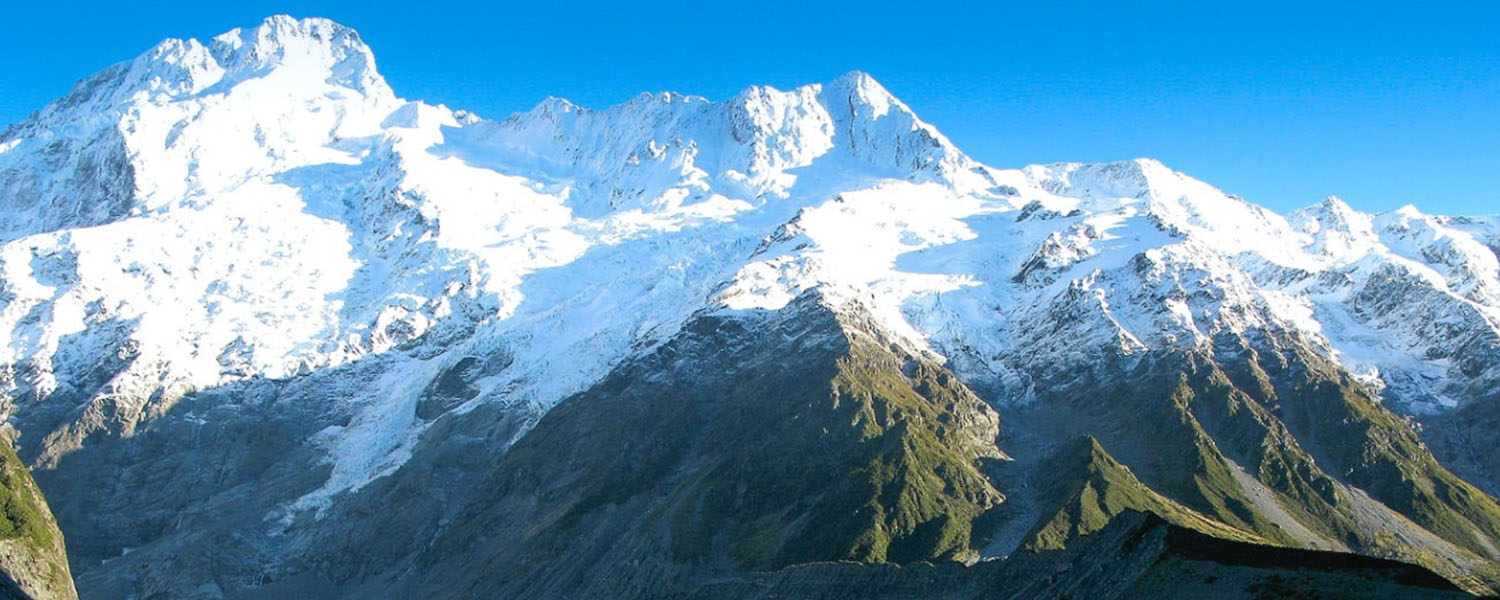
Rwenzori Mountains National Park in southwestern Uganda is a stunning alpine world where snow-capped peaks rise directly from the African plains just north of the equator. Often shrouded in mist, this nearly 1,000-square-kilometer park protects the majority of the Rwenzori mountain range and is celebrated for its exceptional beauty, dramatic landscapes, and unique ecosystems. Its status as a UNESCO World Heritage Site and a Ramsar wetland site underscores its global significance.
The park’s most defining feature is its dramatic geography, anchored by Mount Stanley, which hosts Margherita Peak—Africa’s third-highest summit at 5,109 meters. The landscape is a spectacular mosaic of glaciers, snowfields, deep glacial valleys, scenic waterfalls, and over 20 pristine lakes. These mountains are a critical water source, feeding major rivers, which is why local communities historically named them the “Mountains of the Moon” and “rainmaker”.
A trek through the park is a journey through five distinct vegetation zones, each with its own microclimate and spectacular flora. The ascent passes from montane rainforest and giant bamboo zones into a surreal afro-alpine moorland. Here, the landscape is dominated by otherworldly giant lobelias and giant groundsels, some reaching up to 10 meters tall—botanical marvels found nowhere else. While wildlife is often elusive in the dense forest, the park is home to 70 mammal species, including chimpanzees, forest elephants, and the rare Rwenzori three-horned chameleon, as well as over 200 bird species, many endemic to the Albertine Rift.
For visitors, the park is a premier destination for trekking and mountaineering, with popular routes like the Central Circuit and Kilembe Trail offering multi-day hikes through its breathtaking scenery. Conservation is vital, as organizations work with local communities on sustainable farming and community-based tourism—such as the Ruboni Community Forest—to protect the park’s fragile ecosystems while supporting livelihoods. This ensures that the majestic “Mountains of the Moon” continue to inspire awe and wonder for generations to come.
Recommended