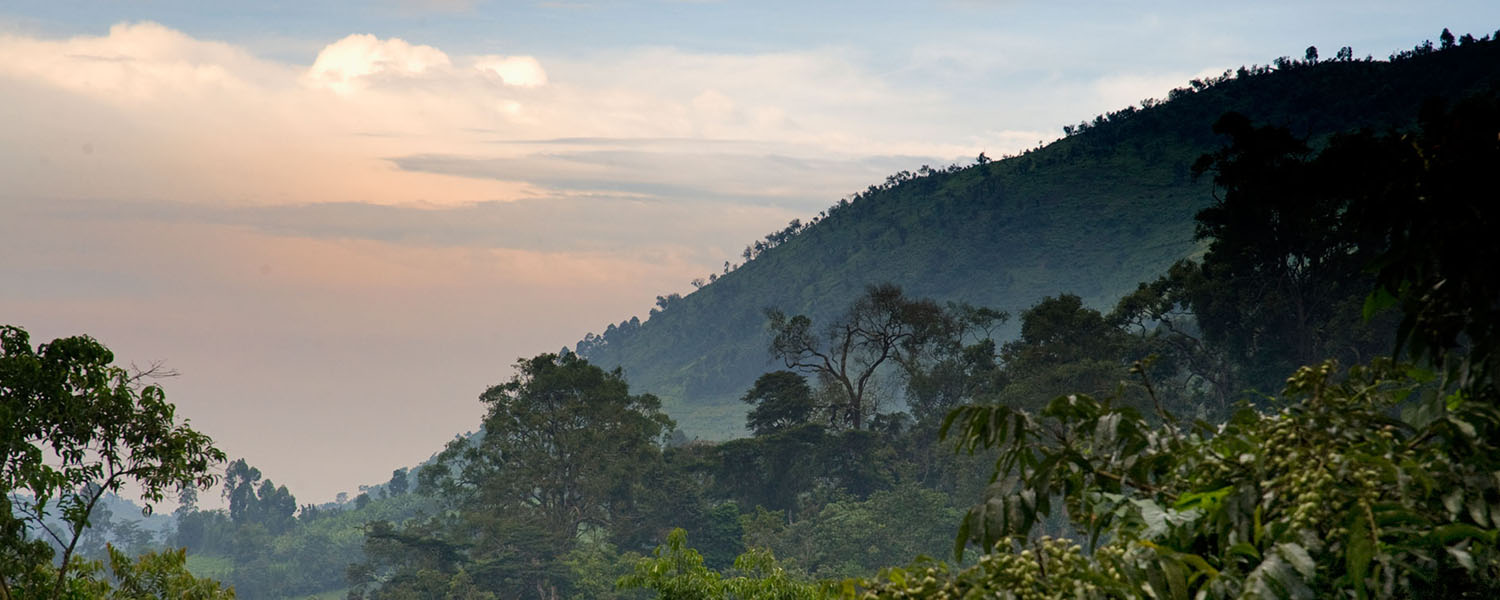
Bwindi Impenetrable Forest
Nestled in southwestern Uganda on the edge of the Albertine Rift Valley, the Bwindi Impenetrable Forest is one of Africa’s most ancient and biodiverse rainforests, dating back over 25,000 years. The forest’s name, derived from the Runyakitara word “Mubwindi,” aptly means “a place full of darkness,” a reference to its dense, sun-blocking canopy of bamboo, hardwood trees, and a thick undergrowth of ferns and vines that make it literally impenetrable. Covering 331 square kilometers of rugged, steep terrain, its altitude ranges dramatically from 1,160 to 2,607 meters.
This geographical complexity creates a mosaic of habitats, making Bwindi a globally significant biodiversity hotspot. The forest is a sanctuary for an astonishing array of life, including an estimated 459 mountain gorillas—approximately half of the world’s remaining population. Beyond this iconic primate, Bwindi is home to 120 mammal species, such as chimpanzees and forest elephants, over 350 bird species, and more than 200 butterflies. Its botanical richness is equally impressive, with over 160 tree species and 100 fern species recorded.
Recognizing its immense ecological value, Bwindi was designated a UNESCO World Heritage Site in 1991. Its management focuses on balancing strict conservation with community engagement. A pioneering gorilla tourism program, where visitors trek to see habituated groups, generates critical revenue. A portion of park fees is shared with local communities to fund schools and clinics, fostering local support for conservation. This model is vital as the forest is an isolated green island surrounded by some of the highest rural population densities in Africa, making agricultural encroachment a constant challenge.
The forest is also the ancestral home of the Batwa people, who were displaced when the area became a national park. Today, cultural encounters with the Batwa and the Bakiga people offer visitors a deeper understanding of the human history intertwined with this ecosystem. The forest’s dense network of rivers forms a key watershed, feeding into Lake Edward and regulating water flow for the region. Ultimately, Bwindi stands as a profound testament to wilderness, a critical ark for endangered species, and a leading example of how conservation and human communities can forge a sustainable future together.
Recommended