Serengeti National Park
Serengeti National Park is a vast wilderness in Tanzania and a UNESCO World Heritage Site, celebrated for its incredible wildlife and the iconic Great Migration. The park’s immense landscape, spanning nearly 15,000 square kilometers, is a mosaic of habitats. This includes open, treeless grasslands in the south, rocky granite outcrops known as kopjes, acacia-dotted savannah in the west, and riverine forests along waterways like the Grumeti River. This variety of terrain results from ancient volcanic activity and creates the stage for one of the planet’s last great, unaltered natural wonders.
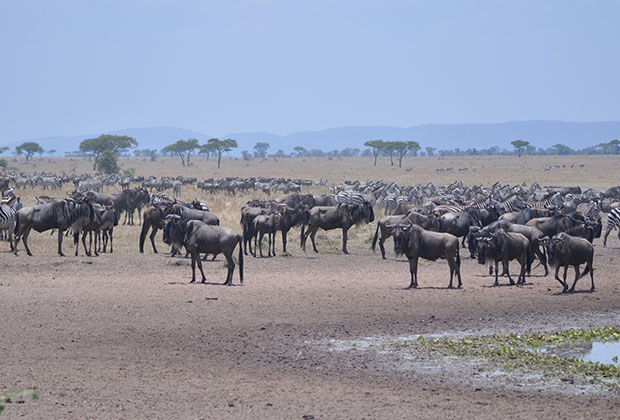
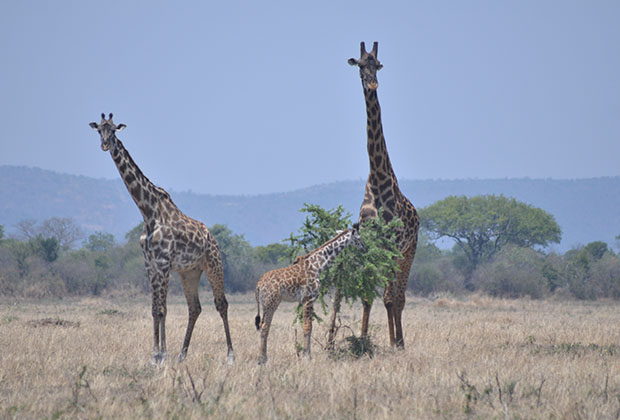
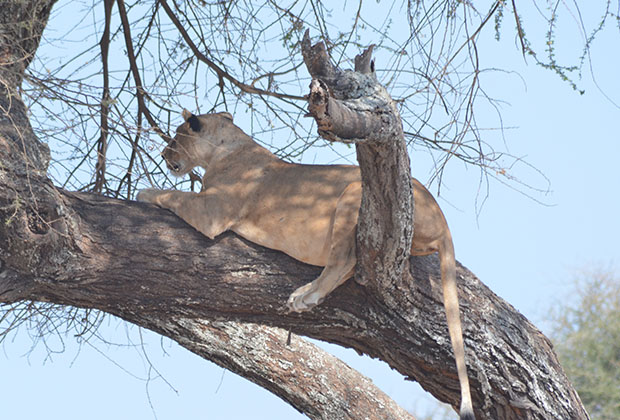
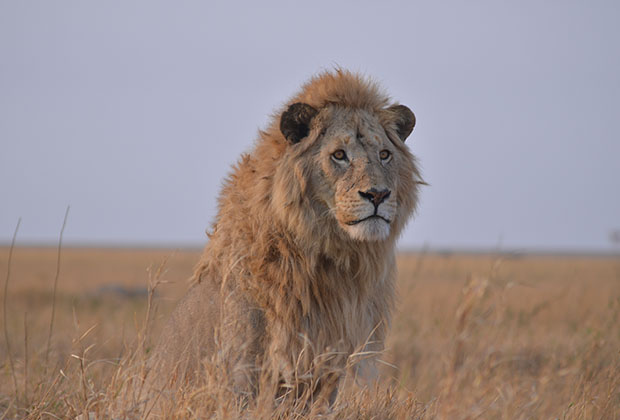
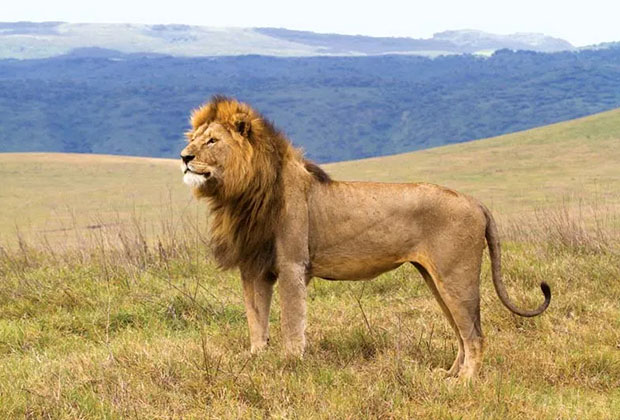
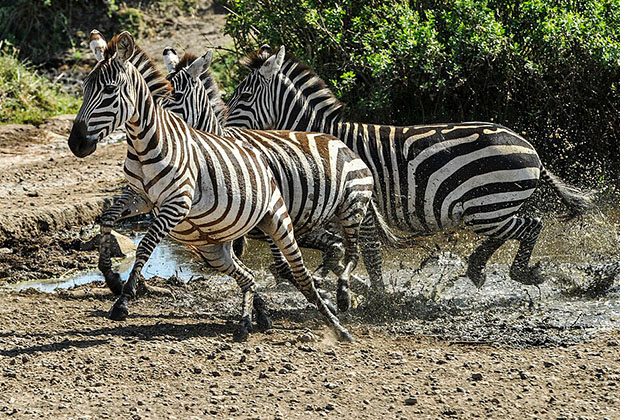
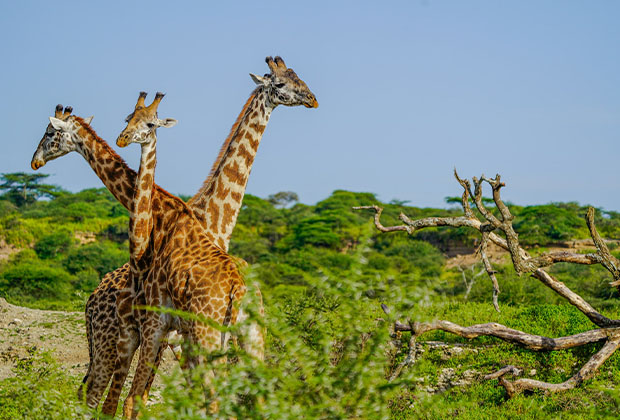
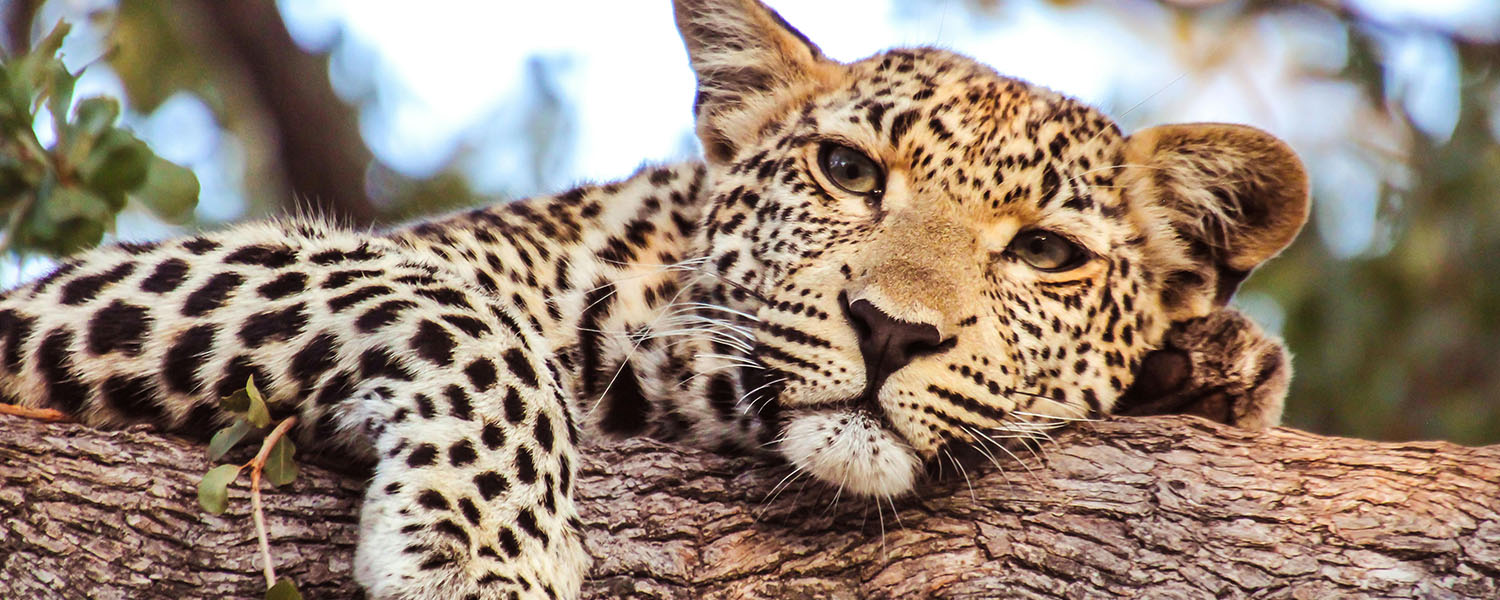
The park is most famous for the annual Great Migration, a spectacular, circular journey of over 1.5 million wildebeest and hundreds of thousands of zebras and gazelles. This mass movement across the plains in search of water and grazing pastures is the largest of its kind on Earth and is followed closely by large populations of predators. Beyond the migratory herds, the Serengeti supports an extraordinary density of resident wildlife. It is home to one of Africa’s largest lion populations and hosts all members of the “Big Five”—lion, leopard, elephant, buffalo, and the endangered black rhinoceros. In total, the ecosystem sustains millions of animals, including thousands of predators like cheetahs and hyenas, and over 500 species of birds.
Established as a national park in 1951, the Serengeti is part of a larger, protected ecosystem that includes reserves in Tanzania and Kenya. Its management focuses on conservation, sustainable tourism, and community involvement to protect this critical habitat from modern threats such as poaching. The park’s enduring principle, inspired by Tanzania’s first president, is to preserve this “rich and precious inheritance” for future generations.
Great Wildebeest Migration
The Great Wildebeest Migration is a continuous, year-round movement of over 1.5 million wildebeest, joined by hundreds of thousands of zebras and gazelles, across the vast plains of East Africa. Driven by the ancient rhythm of seeking fresh grazing and water, this relentless circular journey spans the Serengeti ecosystem in Tanzania and the Masai Mara in Kenya. It is not a single event but a perpetual, perilous trek where the herds’ location is dictated by the rains, creating one of the most spectacular and enduring wildlife phenomena on the planet.
The journey is defined by dramatic, high-stakes river crossings, most famously at the Grumeti and Mara Rivers. Here, the herds gather in massive, restless crowds before plunging into crocodile-infested waters in a chaotic, thundering struggle for the opposite bank. These crossings are the migration’s most iconic and brutal episodes, where many animals perish to predators, drowning, or sheer exhaustion, yet the surviving multitude pushes onward. This cyclical chase from the southern Serengeti’s calving grounds, north to the Mara’s rich grasslands, and back again, is a powerful demonstration of instinct and survival.
Ultimately, the migration is the lifeblood of the ecosystem, a moving feast that shapes the landscape and sustains a vast array of predators. Its precise timing shifts with climatic patterns, but its epic scale and raw drama remain constant. Witnessing the endless columns of animals stretching to the horizon, or the tumultuous river crossings, offers a profound glimpse into the untamed heart of Africa and the timeless struggle for life.
Recommended safaris