Ruaha National Park
Ruaha National Park, an immense and secluded wilderness in southern Tanzania, is a sanctuary of rugged landscapes and remarkable biodiversity. As the country’s largest national park, it spans approximately 20,226 square kilometers and forms part of a massive 45,000-square-kilometer ecosystem. The park is defined by the Great Ruaha River, its lifeblood, which carves through a dramatic terrain of rolling hills, ancient baobab forests, vast miombo woodlands, and rocky outcrops. This dramatic setting provides a genuine “off-the-beaten-track” adventure, offering an exclusive and crowd-free safari experience compared to Tanzania’s more famous northern circuits.
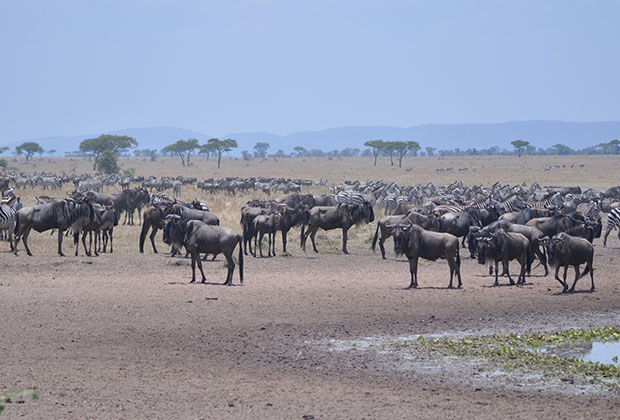
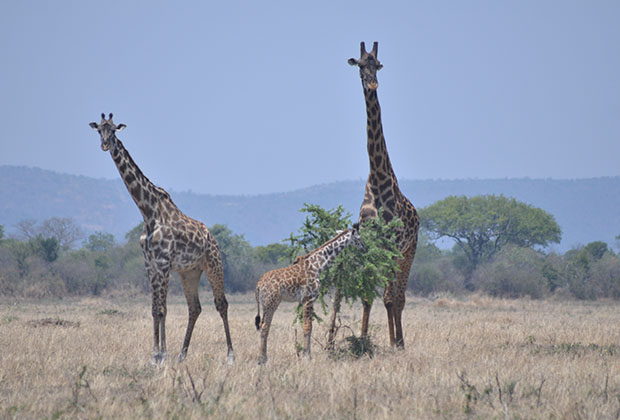
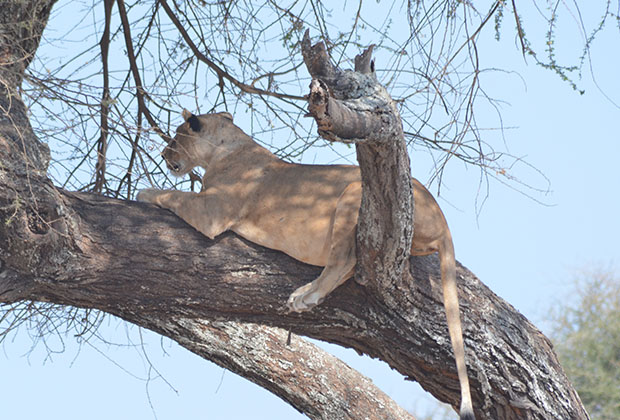
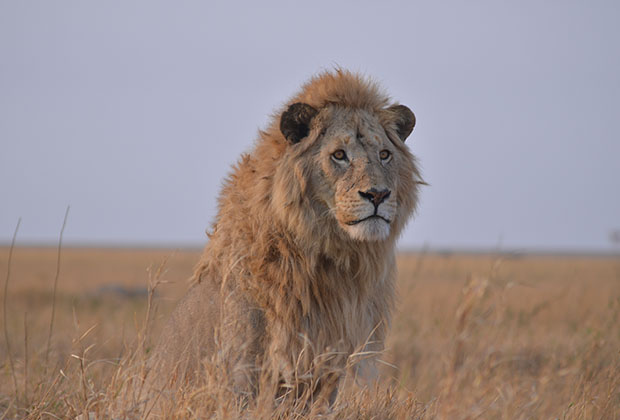
The park’s wildlife is both abundant and exceptionally diverse, benefiting from its location at the convergence of eastern and southern African ecological zones. It is renowned as a stronghold for major predators, hosting one of East Africa’s largest lion populations, a significant number of the endangered African wild dog, and healthy numbers of leopard and cheetah. Furthermore, Ruaha boasts Tanzania’s largest elephant population and supports impressive herds of buffalo, along with rare antelope species like greater kudu, and sable and roan antelope.
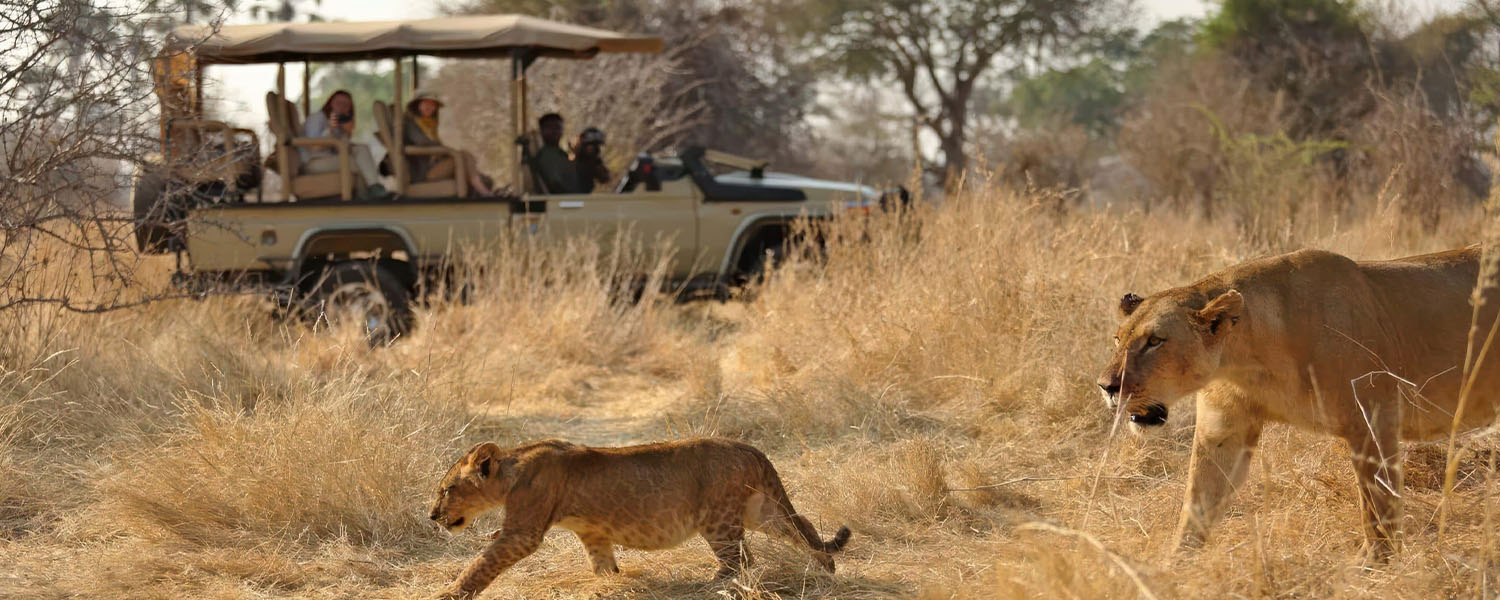
Visitors can engage with this wilderness through a variety of immersive activities. Classic day and night game drives in open-sided 4×4 vehicles provide opportunities to witness dramatic predator-prey interactions, especially along the river during the dry season. For a more intimate experience, guided walking safaris heighten the senses to the smaller details of the bush, while boating safaris on the park’s waterways offer a unique perspective to view hippos, crocodiles, and waterbirds. The experience is often complemented by serene moments, such as enjoying a “sundowner” drink against the backdrop of a setting sun.
Understanding the park’s two distinct seasons is key to planning a visit. The best time for general wildlife viewing is the long Dry Season, from June to October. As water sources diminish, animals congregate around the Great Ruaha River and remaining waterholes, making predators and large mammals easier to spot. In contrast, the Wet Season, from November to April, transforms the landscape into a lush, green paradise. This period is ideal for birdwatchers, with over 570 recorded species—including migrants—and offers beautiful scenery with fewer tourists, though animals are more dispersed.
Despite its remote feel, Ruaha is accessible by scheduled flights from Dar es Salaam and Arusha to airstrips within the park, or by road from Iringa town. A visit here is more than a standard safari; it is an immersion into a vast, untamed African wilderness where ancient baobabs stand sentinel over a thriving and dynamic ecosystem, promising an authentic and unforgettable adventure.
Recommended