Ngorongoro Conservation Area
The Ngorongoro Conservation Area (NCA) in northern Tanzania is a UNESCO World Heritage Site celebrated for its extraordinary fusion of natural wonder and profound historical significance. Unlike a typical national park, it was established in 1959 as a multiple land use area, designed to allow the coexistence of wildlife with semi-nomadic Maasai pastoralists practicing traditional livestock grazing. Spanning over 8,000 square kilometers, its landscapes range from highland plains and savanna to dense woodlands and volcanic craters.
Ngorongoro Crater
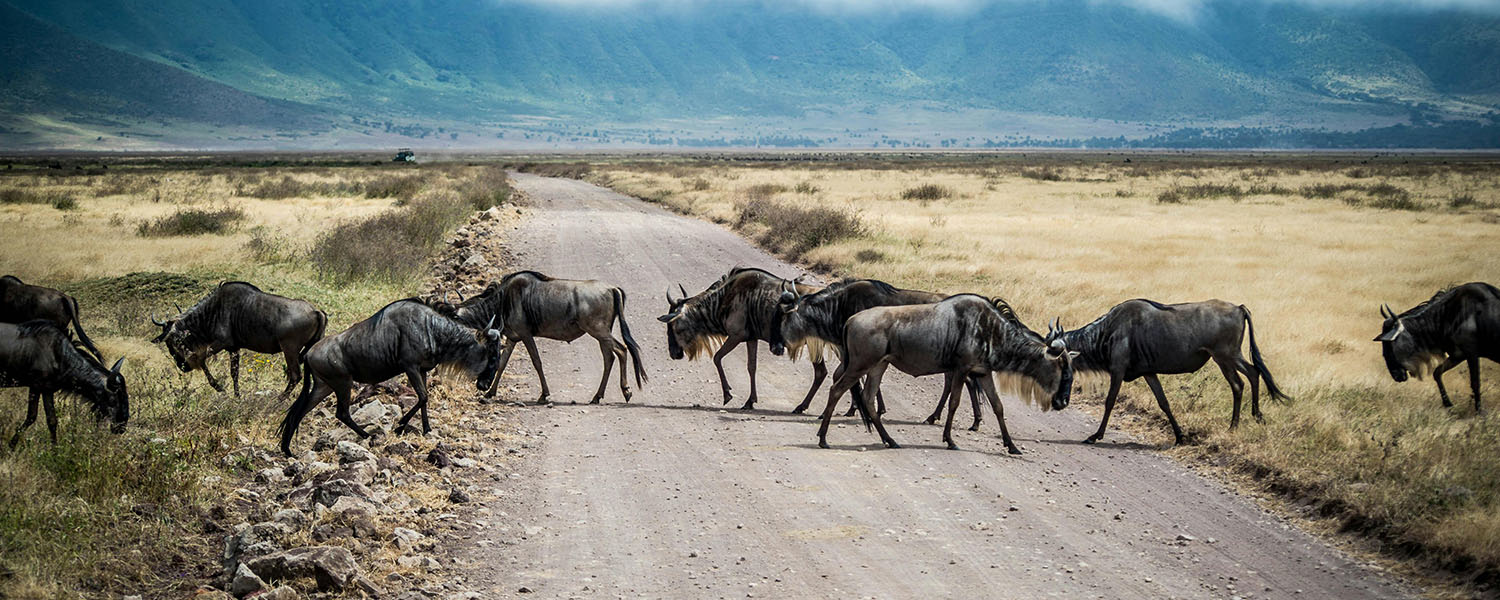
The Ngorongoro Crater is a vast, bowl-shaped landscape in northern Tanzania and is the world’s largest intact and unflooded volcanic caldera. This breathtaking natural amphitheater was formed approximately 2.5 million years ago when a massive volcano, thought to have been as high as Mount Kilimanjaro, collapsed in on itself after a powerful eruption. Today, its steep, forested walls rise 610 meters (2,000 feet) from a floor that covers an expansive 260 square kilometers, creating a contained sanctuary for wildlife.
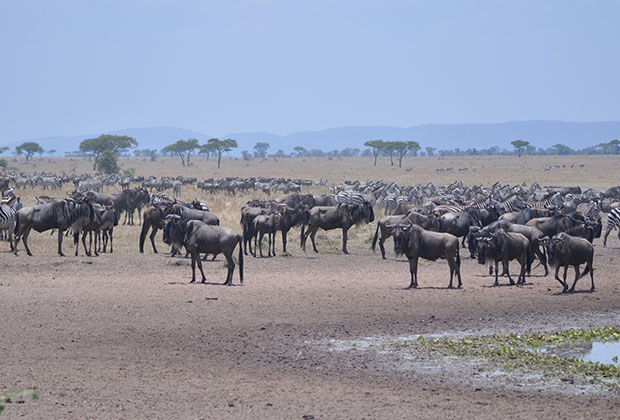
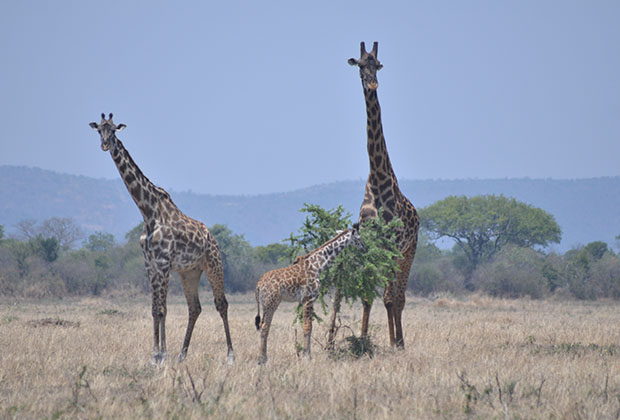
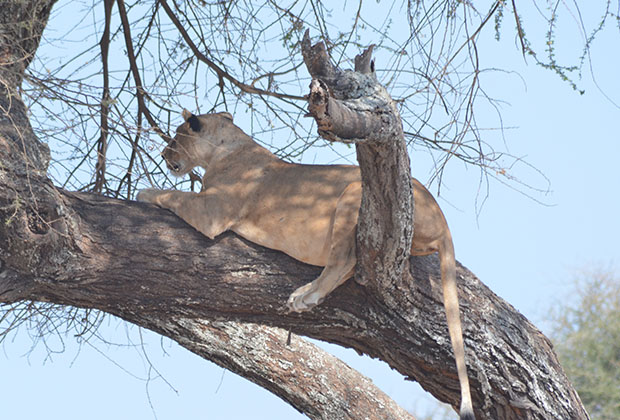
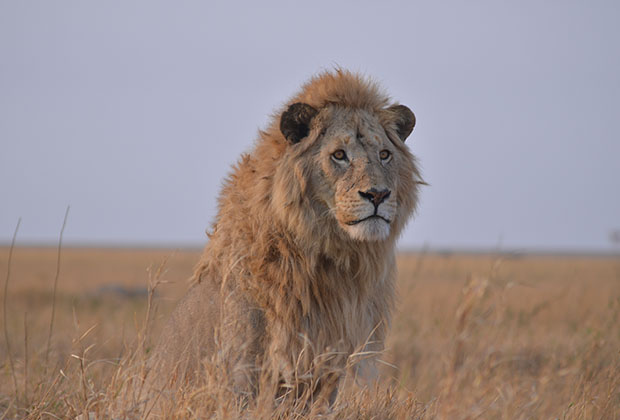
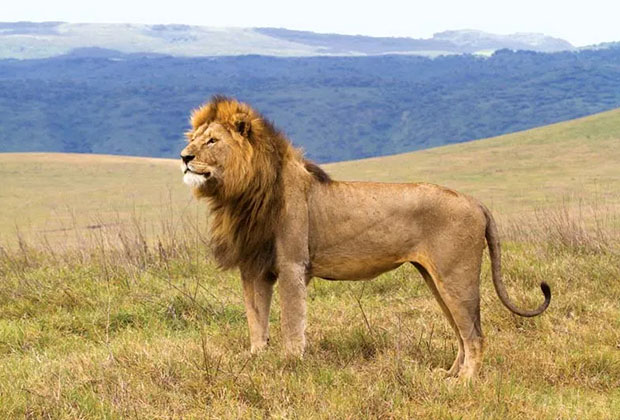
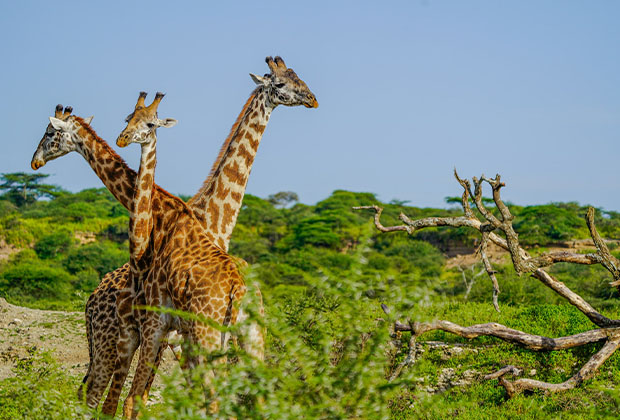
This unique, enclosed geography supports an astonishingly dense and varied ecosystem, often called “Africa’s Garden of Eden”. It is home to around 25,000 to 30,000 large mammals, including all members of the “Big Five”—lion, leopard, elephant, buffalo, and the critically endangered black rhino. The fertile floor features grasslands, swamps, a soda lake called Lake Magadi, and forests, supporting a high concentration of predators and a huge diversity of bird species. Notably, giraffes are absent from the crater floor, likely because the steep walls are too difficult for them to navigate.
The crater is the centerpiece of the larger Ngorongoro Conservation Area, a UNESCO World Heritage Site. The area is also historically significant for its proximity to Olduvai Gorge, one of the world’s most important paleoanthropological sites. While the crater itself can only be explored by vehicle, the surrounding highlands offer activities like hiking on the crater rim or visiting other volcanic features such as Olmoti and Empakaai craters.
Recommended