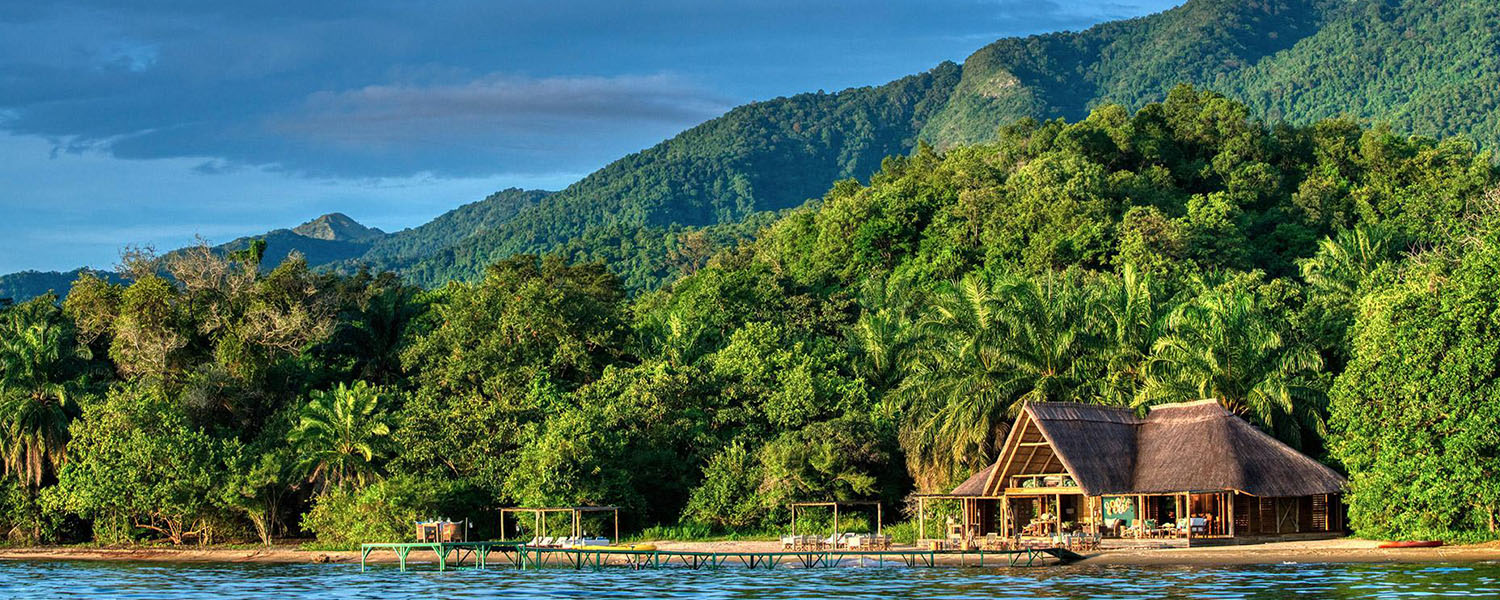
Mahale Mountains National Park
Mahale Mountains National Park is one of Africa’s most remote and remarkable wildlife sanctuaries, located on the eastern shore of Lake Tanganyika in western Tanzania. Established in 1985, the park covers approximately 1,650 square kilometers of steep, forested mountains that rise from the lakeshore. Its most defining feature is the protection of the world’s largest known population of eastern chimpanzees, estimated to be between 700 and 1,000 individuals. The park is unique as one of the very few protected areas in Africa with no roads or vehicle infrastructure; it can only be accessed by boat and must be explored on foot.
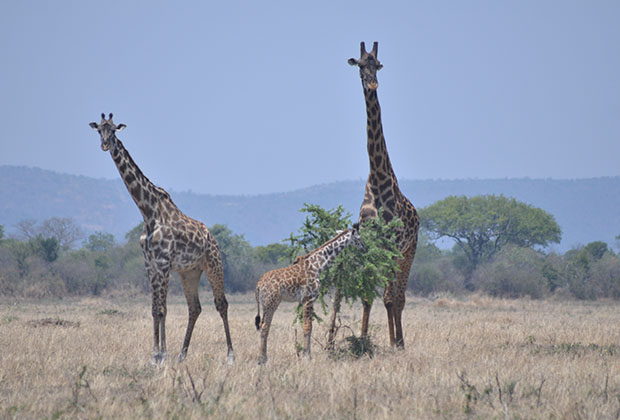
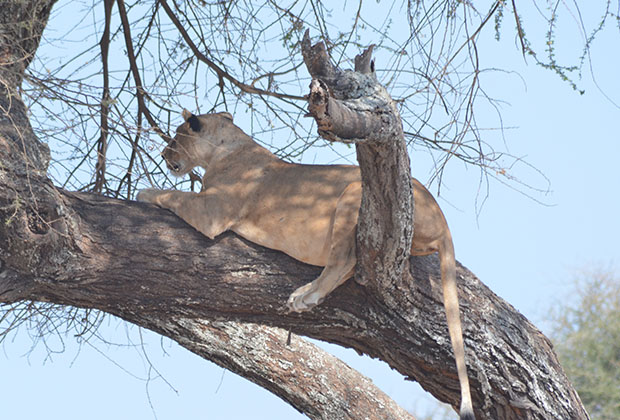
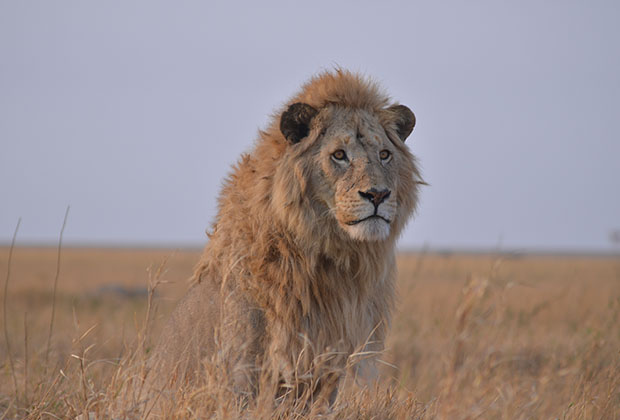
The park’s primary draw is chimpanzee trekking, offering a rare chance to observe our closest relatives in their natural habitat. One habituated community, known as the M-group and studied by researchers since 1965, is accustomed to human presence, allowing for close observation under strict guidelines to protect the apes from human diseases. Beyond chimpanzees, the park is a biodiversity hotspot within the Eastern Afromontane region, hosting at least eight other primate species, including red colobus monkeys and baboons. Its varied ecosystems—from rainforests to grasslands—also support animals like elephants, lions, and giraffes on its eastern slopes, and it is notably the only known place where chimpanzees and lions coexist.
The stunning environment is defined by its dramatic topography and Lake Tanganyika. The mountain range creates a rain shadow, resulting in dense forests on the lakeside western slopes and drier woodlands to the east. At the park’s heart is Mount Nkungwe, which at 2,462 meters is the highest peak. Lake Tanganyika itself, the world’s longest freshwater lake, forms the park’s western boundary and offers white-sand beaches and incredibly diverse aquatic life, with hundreds of fish species found nowhere else on Earth.
Conservation efforts here are complex and ongoing, focusing on both protecting the park and supporting surrounding communities. The park’s creation involved the relocation of indigenous Batongwe and Holoholo peoples, and today organizations work to promote sustainable livelihoods and forest management in the Greater Mahale Ecosystem to reduce pressure on natural resources. For visitors, the journey is part of the adventure, requiring travel by charter flight or a long boat trip. The best time to visit is during the dry season from June to October, when chimpanzees are easier to find near the shoreline, offering an unparalleled, immersive wilderness experience.
Recommended