Kigali Genocide Memorial
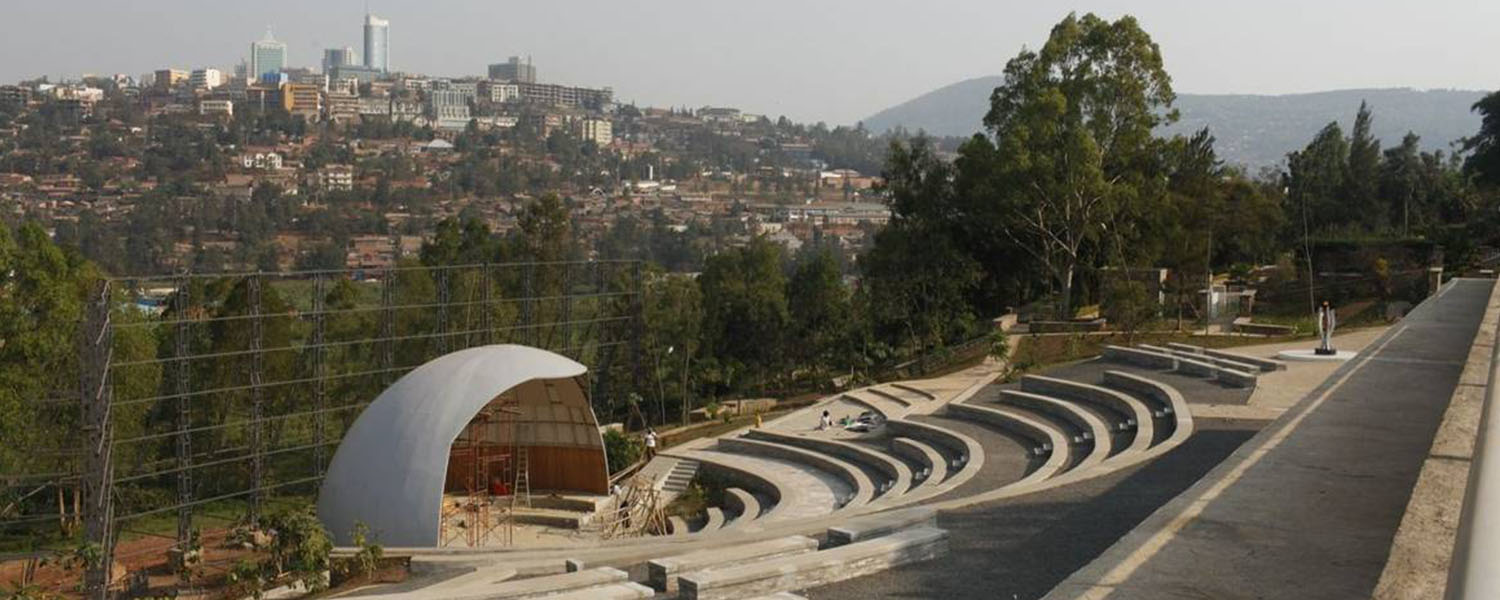
The Kigali Genocide Memorial is a national and international place of remembrance and learning dedicated to the victims of the 1994 Genocide against the Tutsi in Rwanda. Built on a hillside in the Gisozi suburb of Kigali, it serves as the final resting place for over 250,000 victims, making it a deeply sacred burial ground. The memorial was inaugurated in April 2004 on the 10th anniversary of the genocide and is managed by the UK-based Aegis Trust on behalf of Rwandan authorities. In 2023, its location at Gisozi was inscribed on the UNESCO World Heritage List alongside three other key genocide memorial sites in Rwanda.
The memorial’s mission is built upon five core objectives: commemoration, education, the prevention of future atrocities, documentation, and support for survivors. Its central educational experience consists of three permanent exhibitions. The largest documents the history, causes, and horrific events of the 1994 genocide, while a second exhibition examines the history of genocidal violence worldwide. The third, a profoundly moving children’s memorial called “Tomorrow Lost,” features photographs of young victims alongside intimate details like their favorite toys and their last words. The site also includes contemplative memorial gardens, a Wall of Names for victims, and the Genocide Archive of Rwanda, which works to preserve testimonies and evidence.
More than a museum of the past, the Kigali Genocide Memorial is an active driver of national healing and a global center for peace education. It was the birthplace of Rwanda’s national Peace and Values Education curriculum, which reaches every student in the country, and its Community Peace Centre trains thousands annually in reconciliation. The memorial powerfully grapples with difficult questions of forgiveness and coexistence, using Rwanda’s experience as a model, asserting that “if peace can be built after the Genocide against the Tutsi, it can be built anywhere”. This forward-looking mission is symbolized by the Flame of Remembrance, lit each April to burn for 100 days—the duration of the genocide—representing a commitment to a brighter future.
A visit to the memorial is a solemn and powerful experience. The site is open seven days a week, and visitors are asked to dress and behave respectfully, as it is first and foremost a place of mass burial. To enhance understanding, visitors can take a live guided tour, often led by survivors, or use an audio guide. The experience also includes spaces for quiet reflection, such as the memorial gardens and a cafe, while a virtual tour option allows people worldwide to access the exhibitions remotely. Ultimately, the memorial stands not only as a tribute to those lost but as a testament to the remarkable resilience of the Rwandan people and their journey from profound darkness toward reconciliation and renewal.
Recommended