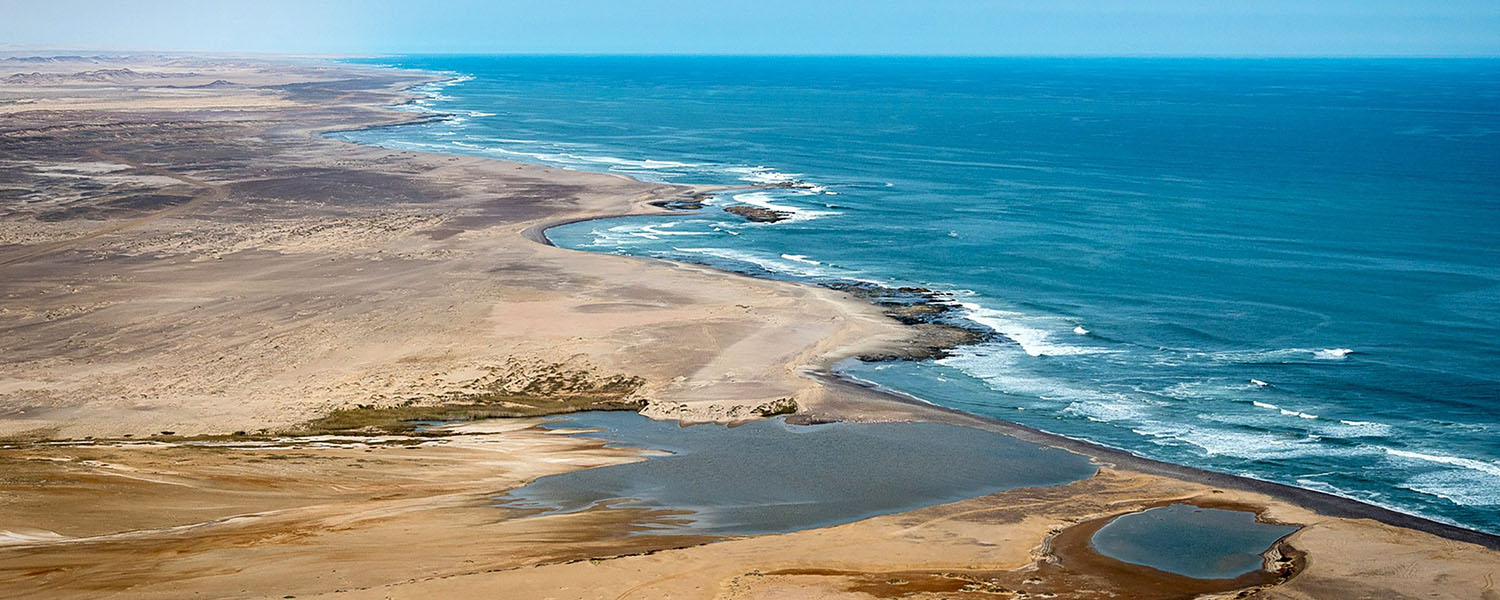
Skeleton Coast
A “skeleton safari” to Namibia’s Skeleton Coast is a journey to one of the planet’s most starkly beautiful and remote wildernesses. This legendary coastline, stretching roughly 500 kilometers along Namibia’s Atlantic shore, earns its ominous name from the shipwrecks and whale bones that litter its beaches—testaments to the treacherous currents and dense fog that have doomed sailors for centuries. The indigenous San people fittingly called it “The Land God Made in Anger”, yet this haunting landscape offers an unforgettable adventure of solitude and discovery.
Venturing into this desolate region is an expedition. Due to its extreme remoteness and rugged terrain, most safaris are accessed by light aircraft on fly-in tours. These journeys typically operate from exclusive, often mobile, camps that provide a surprisingly comfortable base from which to explore the otherworldly surroundings. Travelers then continue exploring by 4×4 vehicles, on foot, or, for the truly adventurous, on horseback along the coast. The experience is defined by a profound sense of isolation, offering panoramic vistas of rolling dunes, gravel plains, and a coast where the Namib Desert dramatically meets the cold Atlantic Ocean.
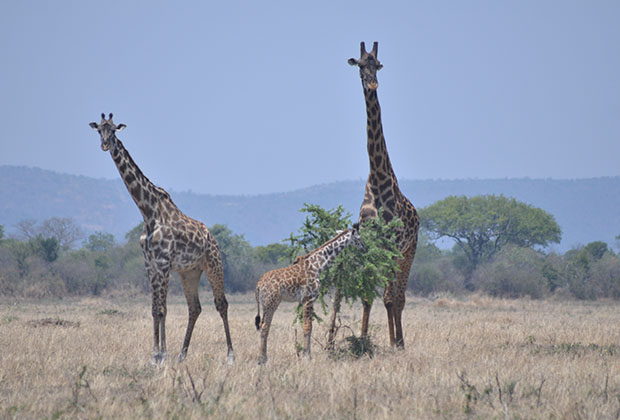
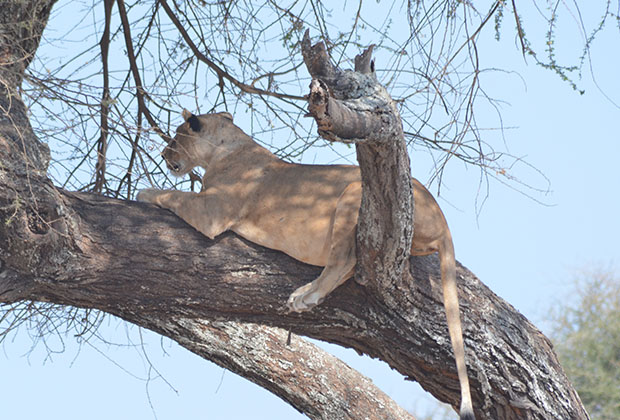
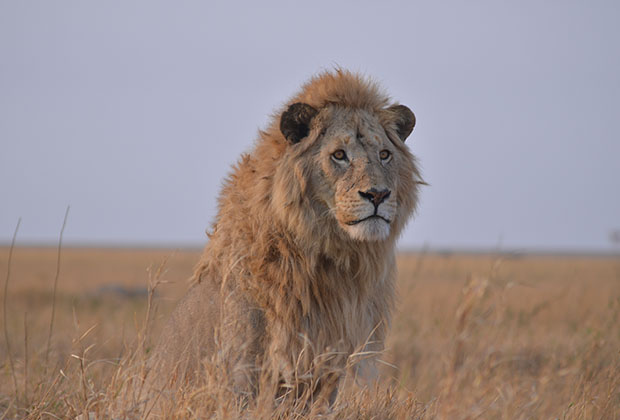
The magic of the Skeleton Coast lies in the life that thrives against all odds. While wildlife is not the primary focus and sightings are not guaranteed, the desert is full of surprises. The Atlantic waters support massive colonies of up to 100,000 Cape fur seals, whose cacophony fills the air at Cape Cross. Inland, the dry riverbeds and valleys hide desert-adapted elephants, lions, giraffes, and elusive brown hyenas—animals specially evolved to survive the harsh, arid conditions. The landscape itself is a key attraction, from the ancient Welwitschia plants, considered living fossils, to the colorful geology of the Huab River Valley and the eerie, rusted hulls of historic shipwrecks.
To fully appreciate this raw frontier, it is best to combine the coastal experience with Namibia’s other iconic destinations. A typical Skeleton Coast safari itinerary often integrates beautifully with visits to the towering red dunes of Sossusvlei, the wildlife-rich Etosha National Park, or the rock art sites of Damaraland. The ideal time to visit is during the cooler, dry winter months from May to October, but the coast’s unique, fog-influenced climate makes it a compelling year-round destination for those seeking a truly unique and intrepid African safari unlike any other.
Recommended