Samburu National Reserve
Samburu National Reserve, located in northern Kenya’s arid lowlands about 350 kilometers from Nairobi, is a 165-square-kilometer expanse of semi-desert wilderness. Its rugged beauty is defined by rocky hills like Koitogor and Ololokwe, acacia woodlands, and the life-giving Ewaso Ng’iro River, which carves a ribbon of lush palm forests through the otherwise dry landscape. This striking contrast between riverine greenery and the surrounding semi-desert creates a unique and picturesque ecosystem.
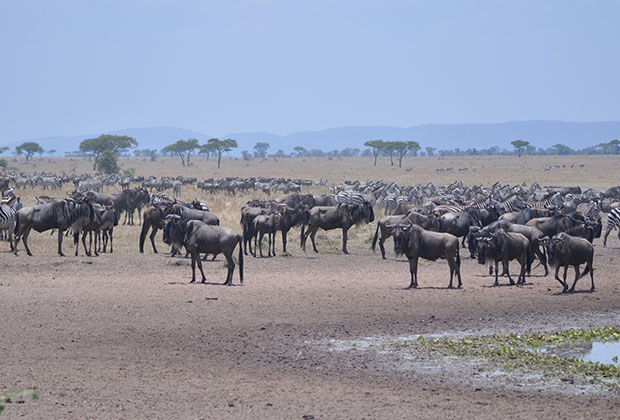
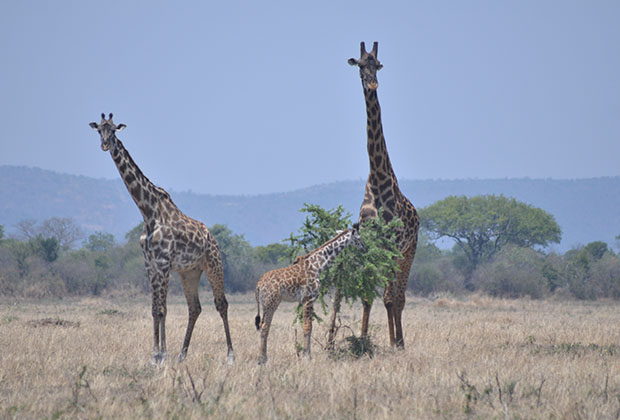
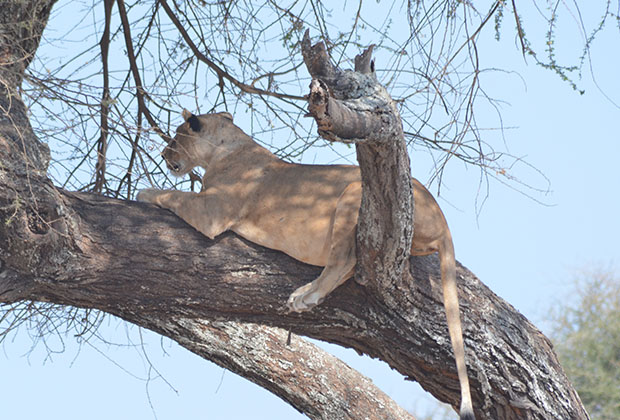
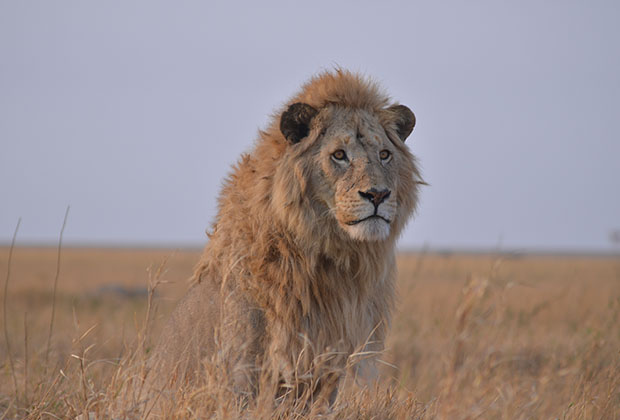
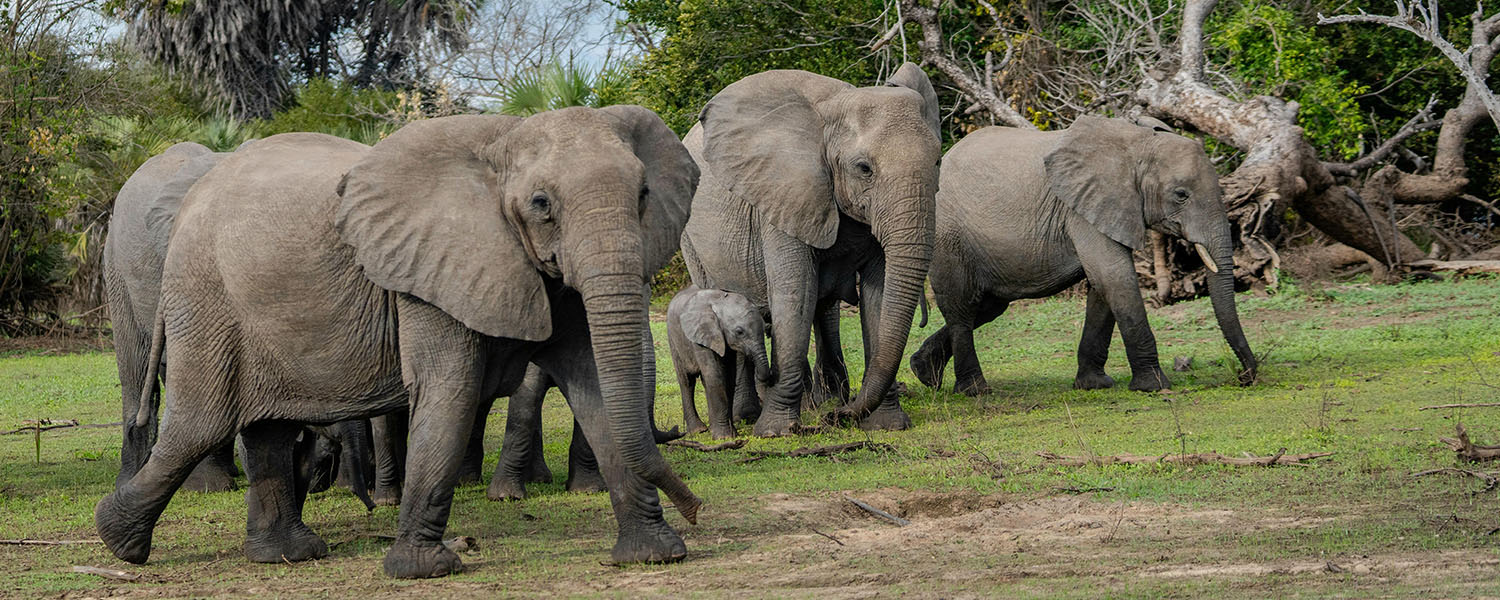
The reserve’s greatest distinction is its collection of wildlife, especially the “Samburu Special Five”: a group of species uniquely adapted to the dry region and rarely seen in Kenya’s more famous southern parks. These are the reticulated giraffe, with its striking, geometric coat pattern; the long-necked gerenuk, which stands on its hind legs to browse; the elegant Grevy’s zebra, the largest and most endangered zebra species; the Somali ostrich, with its distinctive blue-grey legs; and the Beisa oryx, a majestic antelope with long, straight horns. In addition to these specials, Samburu is home to approximately 900 elephants, along with populations of lions, leopards (for which it is a renowned spotting location), and cheetahs.
Beyond the wildlife, Samburu offers a deep cultural connection through the Samburu people, a pastoralist and warrior tribe related to the Maasai. Cultural visits provide fascinating insight into their traditional, nomadic way of life, marked by vibrant red clothing and intricate beaded jewelry. This cultural immersion complements the safari activities, which include classic day and night game drives, guided nature walks, and even camel treks across the plains.
The best time for wildlife viewing is the dry season, from June to September and January to February. During these months, sparse vegetation and animals concentrating around the Ewaso Ng’iro River make sightings more reliable. The climate is generally hot and dry, with daytime temperatures around 32°C (90°F) and cooler nights.
Ultimately, Samburu National Reserve offers a more intimate and distinctive safari experience than many other Kenyan destinations. It combines a stunning arid landscape, exclusive wildlife, and a rich cultural heritage, making it a premier destination for travelers seeking to explore Kenya’s wild and beautiful north.
Recommended