Nairobi National Park
Nairobi National Park is an extraordinary natural sanctuary that exists in striking juxtaposition with a major urban center. Established in 1946, it holds the distinction of being Kenya’s first national park and is located just 7 kilometers south of the capital’s city center. This proximity creates a unique spectacle, where wildlife roams free against the backdrop of Nairobi’s modern skyline and busy roads, earning it the title “The World’s only Wildlife Capital”. The park covers an area of approximately 117 square kilometers and features a variety of habitats, including open grass plains, scattered acacia bush, and stretches of riverine forest along the Mbagathi River.
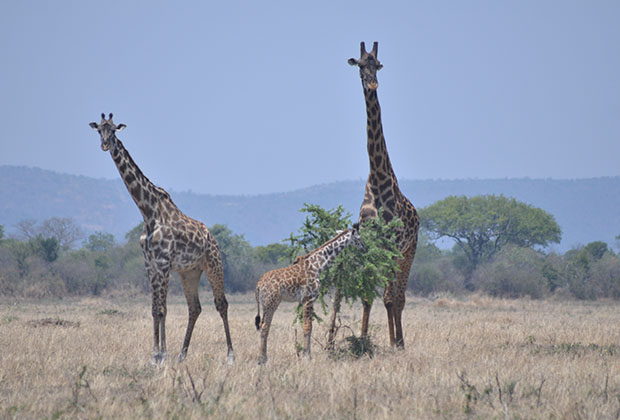
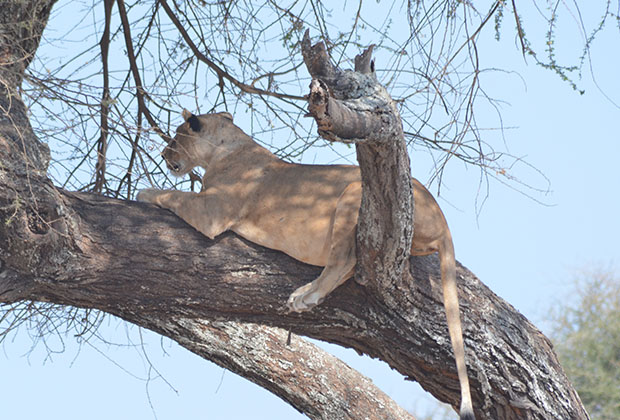
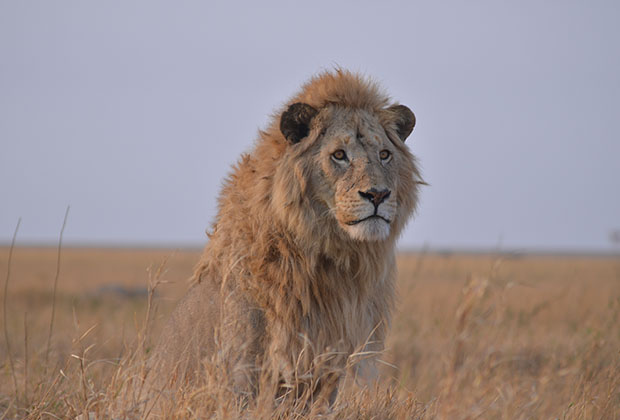
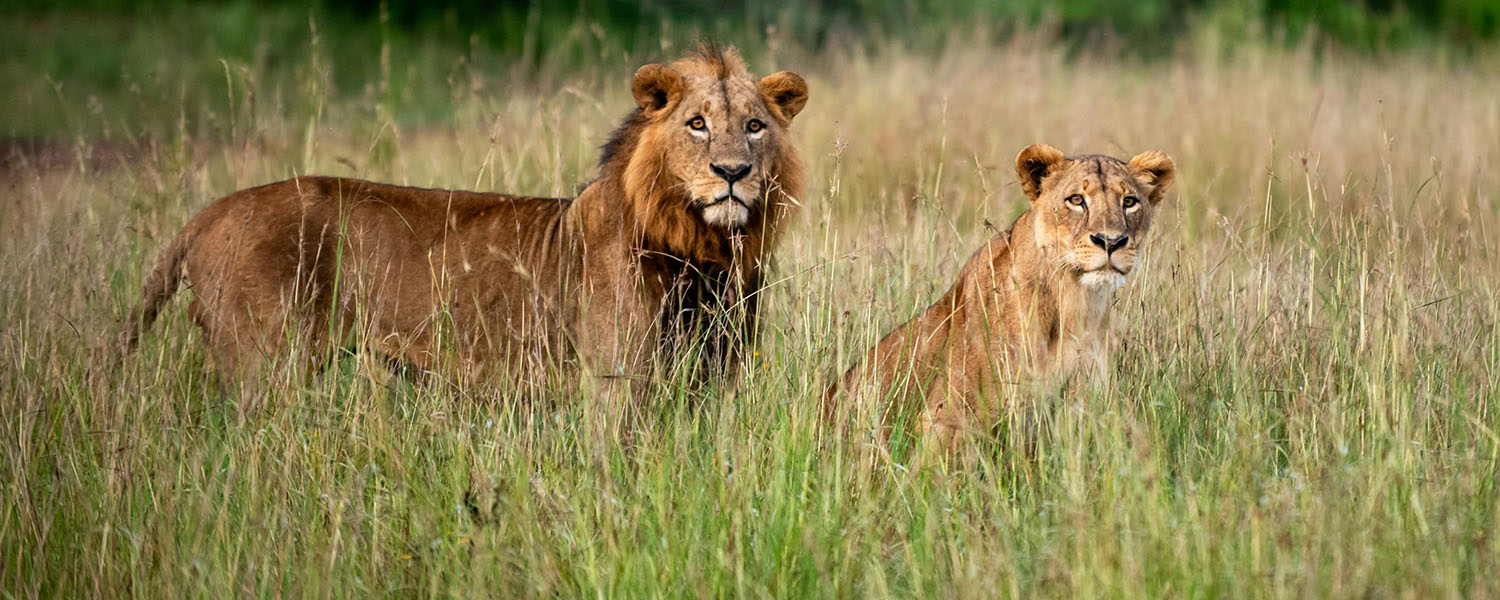
Despite its relatively small size, the park supports a remarkably large and diverse wildlife population. It is home to over 100 mammal species, including iconic predators such as lions, leopards, and cheetahs, as well as herbivores like giraffes, zebras, and various antelopes. One of its most celebrated roles is as a rhino sanctuary, known locally as “Kifaru Ark”. The park is a vital refuge for the endangered eastern black rhino, providing visitors with one of the best chances in Africa to see this species in the wild.
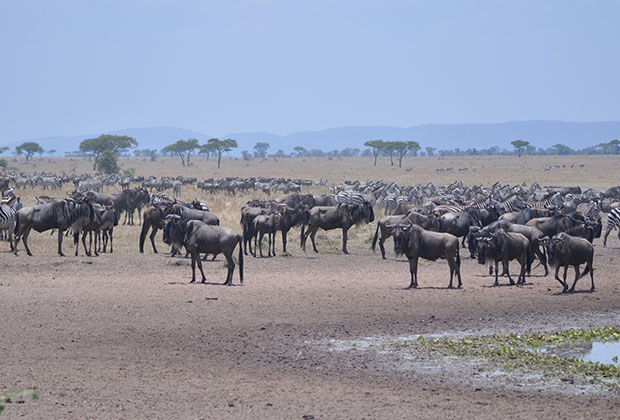
A key feature of the park’s ecology is its open southern boundary, which allows for a seasonal animal movement. Herbivores such as wildebeest and zebra use the unfenced border to migrate between the park and the adjacent Athi-Kapiti plains. During the wet season, animals disperse to the south for grazing, and during the dry season, they return to the reliable water sources within the park. This small-scale migration is a remnant of a much larger historical wildlife movement.
The park offers more than game drives. It is also a premier birding destination, with over 500 species recorded. Several significant conservation and educational attractions are located within its borders. These include the Ivory Burning Site Monument, where Kenya made a powerful global statement against the ivory trade in 1989, and the David Sheldrick Wildlife Trust, a world-renowned orphanage that rescues and hand-rears elephant and rhino calves.
Nairobi National Park faces significant conservation challenges due to its location. Pressure from the city’s expanding population, habitat fragmentation, and pollution are constant threats. However, its existence so close to a metropolis serves as a powerful symbol of the possibility for humans and wildlife to coexist. It remains a vital educational resource for local citizens and a unique, accessible wilderness experience for international visitors, embodying Kenya’s deep commitment to wildlife conservation.
Recommended