Kgalagadi Transfrontier Park
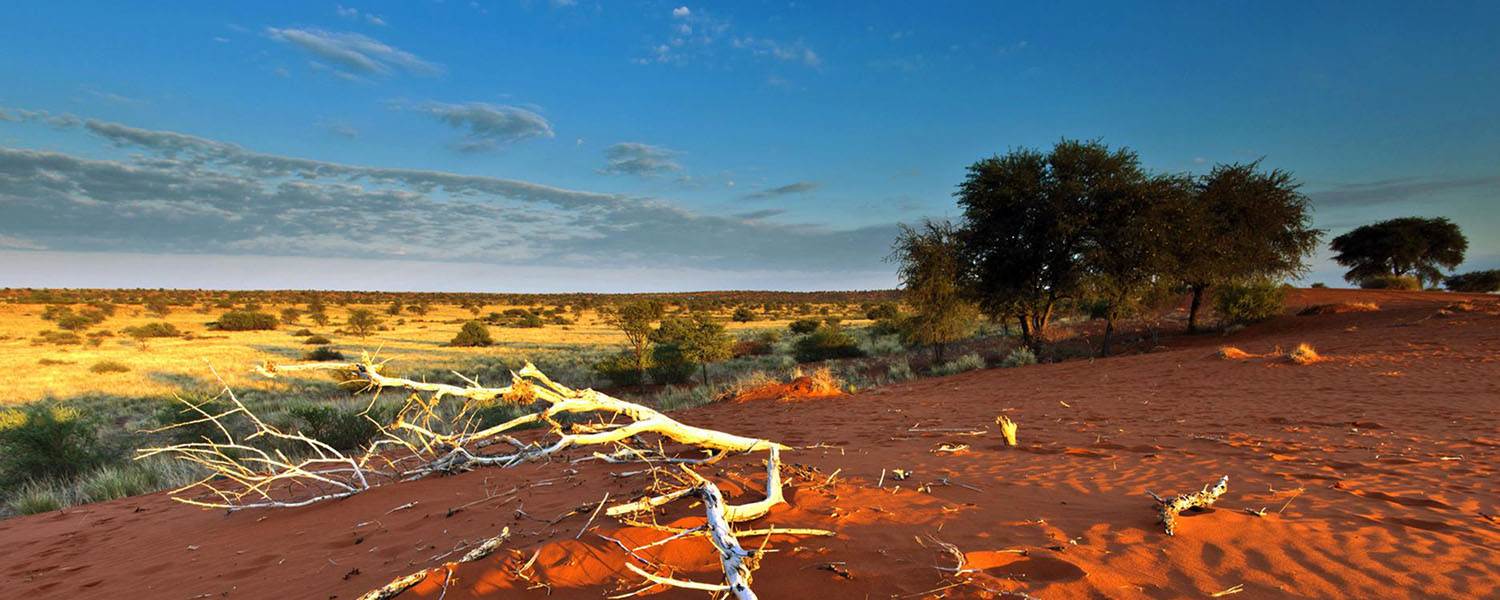
The Kgalagadi Transfrontier Park is a vast, remote wilderness spanning the border between South Africa and Botswana in the southern Kalahari Desert. Its name, translating to “place of thirst” in the San language, hints at its arid nature, characterized by rolling red dunes, dry riverbeds of the Nossob and Auob rivers, and sparse vegetation. Established in 2000 by merging two national parks, this 38,000 km² peace park was Africa’s first official transfrontier conservation area, allowing wildlife to roam freely across international boundaries. Its extreme remoteness means fewer tourists compared to other major parks, offering a profound sense of solitude and untouched wilderness.
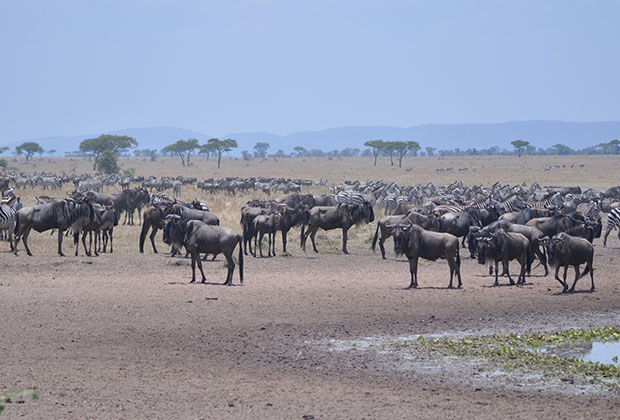
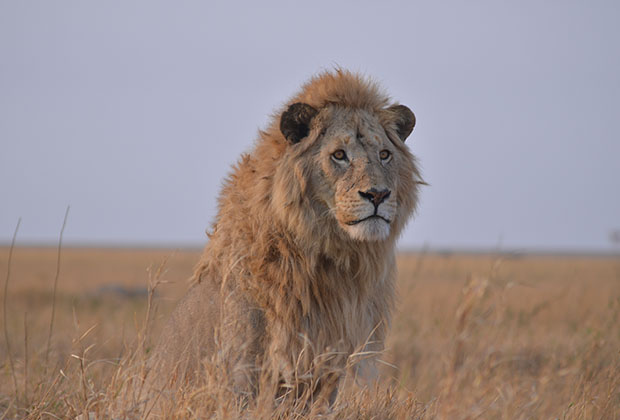
The park is renowned for its specialized and prolific predator populations, which thrive in the harsh environment. It is one of the best places in Africa to see the iconic black-maned Kalahari lion, along with cheetahs that hunt along the fossil riverbeds and elusive leopards. Other notable species include spotted and brown hyenas, bat-eared foxes, and meerkats. While it lacks the Big Five (there are no elephants, rhinos, or buffalo), large herds of antelope like springbok, gemsbok, and blue wildebeest migrate seasonally, providing sustenance for the predators and creating dynamic wildlife scenes.
A Kgalagadi safari can be experienced in two primary ways. The most immersive option is a self-drive adventure, where visitors navigate the park’s sandy roads in their own 4×4 vehicle, staying in basic but well-positioned SANParks rest camps like Twee Rivieren, Nossob, or Mata Mata. This requires preparation, as distances are vast, facilities are simple, and you can only exit your vehicle at designated camps or picnic sites. Alternatively, guided safari tours, such as 6-day lodge-based packages, offer a more structured experience with expert guides who know the best spots for wildlife viewing and handle all logistics.
To get the most from a visit, careful planning is essential. The best time for wildlife viewing is during the dry winter months (May to October), when animals congregate at permanent waterholes and temperatures are milder. Visitors should prepare for extreme conditions, from scorching summer days to freezing winter nights, and pack all necessary supplies, including food, water, and fuel, due to the park’s remoteness. Dedicate at least three to four nights to properly explore the different regions and increase your chances of rewarding sightings. Ultimately, a Kgalagadi safari rewards the intrepid traveler with starkly beautiful landscapes, incredible predator action, and an authentic, crowd-free wilderness experience.
Recommended