

African Safari Styles
African Safari Guidelines
If you are still puzzled on how you can plan your next African adventure, here’s a step-by-step guide to help you make the perfect choice:
1. Define Your Top Priorities (“The Big Five” of Planning)
Start by asking yourself these questions:
- Budget: What is your total per-person budget? (Be realistic—safaris range from $250 to $2,500+ per night).
- Wildlife & Landscape: Is your dream to see the “Great Migration”? Big cats? Rare animals like gorillas or wild dogs? Do you prefer lush forests, vast savannahs, or dramatic deserts?
- Experience Style: Do you want rugged adventure, pure luxury, or a family-friendly lodge? Is a private vehicle important?
- Travel Style: Independent self-drive or guided tour? Group travel or private?
- Time of Year & Duration: How long can you go? Seasons dramatically affect wildlife viewing.
2. Choose Your Destination (The “Where”)
Each region offers something unique:
East Africa (Tanzania & Kenya):
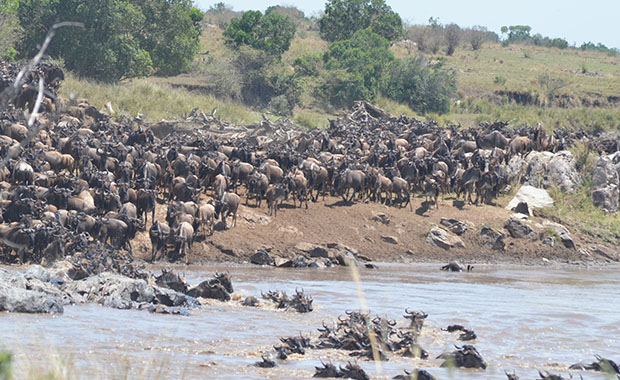
- Iconic for: The Great Migration (especially in the Serengeti and Masai Mara), vast savannahs, massive herds, and big cat sightings.
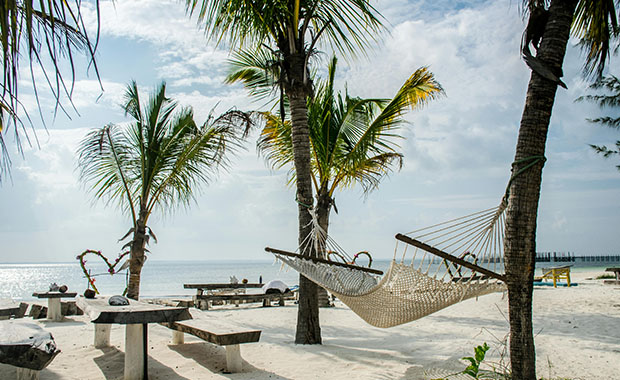
- Best for: Classic safari imagery, balloon safaris, and combining with Zanzibar beaches.
- Southern Africa (South Africa, Botswana, Zambia, Zimbabwe, Namibia):
- South Africa: Easier self-drives (Kruger Park), malaria-free options, excellent infrastructure, and combines well with Cape Town. Great for first-timers and families.
- Botswana: High-cost, low-impact luxury. Famous for the Okavango Delta (water-based safaris by mokoro canoe) and Chobe’s elephant herds.
- Zambia/Zimbabwe: Home to Victoria Falls. Zambia is the birthplace of the walking safari (more adventurous).
Namibia: Stunning desert landscapes (Sossusvlei), unique wildlife adaptation, and Etosha’s salt pan waterholes.
Central/East Africa (Rwanda, Uganda):
- The draw: Primate trekking – Mountain Gorillas (bucket-list, but expensive permit) and chimpanzees.
- Combine with: A classic savannah safari in Kenya or Tanzania.
3. Understand the Logistics (The “How”)
Guided Tour vs. Self-Drive:
- Tour: Stress-free, expert guides know where to find animals, all-inclusive. Ideal for first-timers and remote areas.
- Self-Drive: More freedom, often more affordable (especially in South Africa and Namibia). Requires research and confidence.
Type of Accommodation:
Lodges: Permanent structures, more space, often more luxurious.
- Tented Camps: Not basic! Can be incredibly luxurious (permanent tents with beds, decks, and plumbed bathrooms). Offer an authentic “sounds of the bush” experience.
- Mobile Camps: Move with the wildlife (especially for the Migration). Ultimate immersion.
- Group Size: Private safaris offer flexibility. Small group tours (6-8 people) are social and cost-effective.
4. Get the Timing Right (The “When”)
- Dry Season (Generally May-Oct): Best for wildlife viewing. Animals congregate at waterholes, vegetation is sparse, and skies are clear. Peak season = higher prices.
- Green/Wet Season (Generally Nov-Apr): Lush landscapes, great for birding, fewer tourists, lower prices. Often has “shoulder seasons” with a good balance. Birth seasons (e.g., wildebeest calves in Feb) bring predator action. Some areas may be inaccessible.
Sample Itinerary Ideas:
- First-Timers & Families: South Africa (Kruger + Cape Town) or Tanzania (Tarangire, Ngorongoro, Serengeti).
- Ultimate Luxury & Seclusion: Botswana (Okavango Delta + Linyanti).
- The Big Adventure: Kenya (Masai Mara) + Rwanda (Gorilla Trekking).
- The Self-Drive Adventurer: Namibia (full circuit: Etosha, Sossusvlei, Damaraland).
Final Checklist:
- Passport & Visas: Check validity (6+ months) and visa requirements.
- Health: Consult a travel clinic for malaria prophylaxis and necessary vaccinations (Yellow Fever often required).
- Travel Insurance: Mandatory. Ensure it covers medical evacuation, trip cancellation, and adventure activities.
- Packing: Neutral-colored clothing, binoculars (essential), good camera, sunscreen, hat, and a warm layer for morning game drives.
Start by dreaming big, then use these steps to refine your choice. The perfect safari is the one that matches your vision of adventure. Enjoy the planning