Botswana
Botswana has strategically positioned itself as a premier high-value, low-impact tourism destination, renowned for its pristine and exclusive wilderness experiences. The heart of its appeal lies in the vast, wildlife-rich Okavango Delta, a UNESCO World Heritage Site where seasonal floods create a unique inland waterway perfect for mokoro (canoe) safaris, alongside other iconic areas like the elephant-packed Chobe National Park and the stark beauty of the Kalahari Desert and Makgadikgadi Pans. With a strong commitment to conservation, much of its tourism operates within extensive private concessions and protected areas, offering intimate, low-density encounters with Africa’s iconic fauna, including the Big Five, underpinned by a philosophy of sustainability and community benefit that ensures the preservation of its incredible natural heritage for future generations.
Why Choose Botswana?
- Exclusive & Untouched: Low-volume, high-cost tourism policy protects the wilderness. You’ll rarely see other vehicles.
- Water-Based Safaris: Unique opportunities like the Okavango Delta’s mokoro (dugout canoe) trips.
- Incredible Wildlife: Home to Africa’s largest elephant herds and fantastic predator sightings.
- Stark Contrasts: The lush Delta vs. the arid salt pans of the Makgadikgadi.
Top Regions & Attractions
1. The Okavango Delta
- The Crown Jewel: A UNESCO World Heritage site where a river empties into a desert, creating a vast inland delta.
- Activities: Mokoro safaris, motorboat trips, walking safaris, and classic 4×4 game drives. Excellent for seeing lions, leopards, buffalo, and incredible birdlife.
- Key Areas: Moremi Game Reserve (heart of the Delta, public reserve), and numerous private concessions surrounding it (like the Kwara, Vumbura, and Jao areas).
2. Chobe National Park
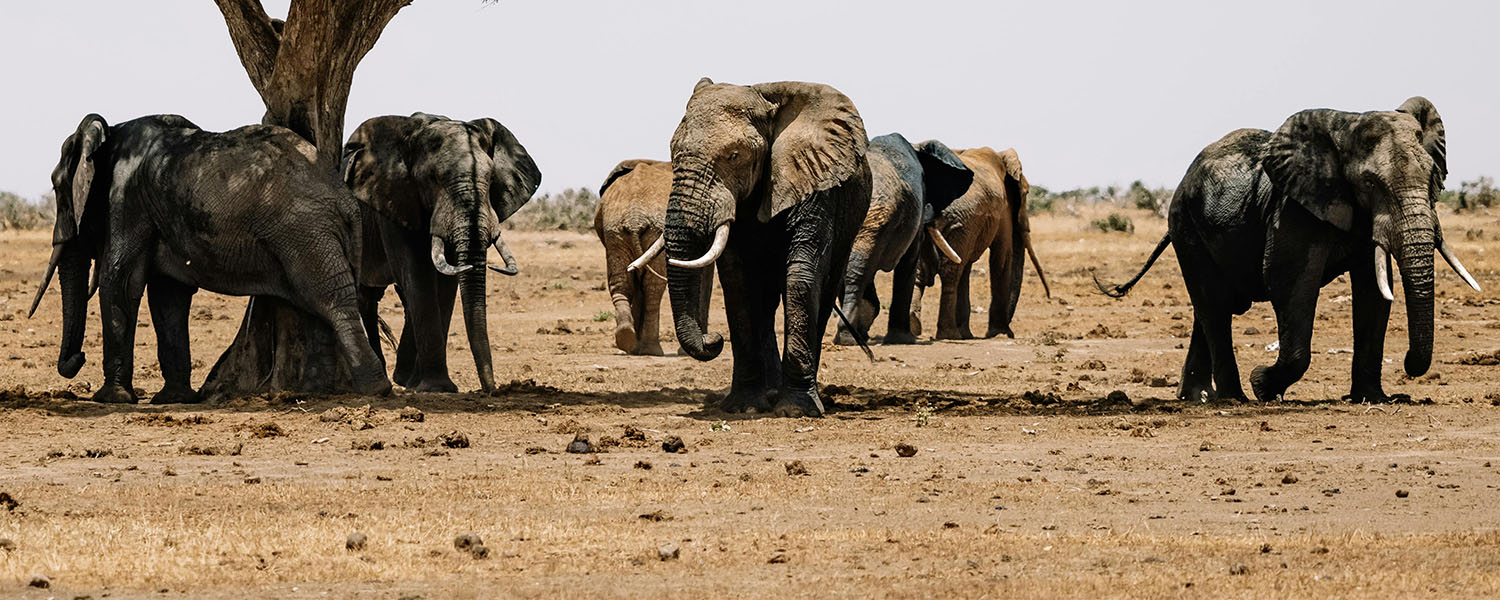
- Famous for: The highest concentration of elephants in Africa (especially in the dry season).
- Two Distinct Parts:
- Chobe Riverfront: Famous for riverboat cruises offering spectacular elephant, hippo, and buffalo viewing.
- Savuti (Savute) Channel: A dynamic predator hotspot known for lion prides, hyenas, and seasonal zebra migrations.
3. The Kalahari Desert
- Vast and Spiritual: Not a classic “sand dune” desert, but a semi-arid savanna.
- Central Kalahari Game Reserve: One of the world’s largest. Best in the green season (Nov-Apr) for dramatic migrations of gemsbok (oryx) and springbok, and iconic black-maned Kalahari lions.
- Makgadikgadi Pans: A surreal, otherworldly landscape of vast salt flats. Accessible from towns like Gweta or luxury camps on the fringes.
*Activities: Quad biking on the pans (dry season), visiting meerkat habituated colonies, and witnessing the zebra migration (wet season).
4. The Linyanti & Selinda Concessions
- Location: Northwest of the Delta, bordering Chobe.
- Character: Similar ecosystem to the Okavango and Savuti, with riverine forests, lagoons, and floodplains. Less crowded, offering exclusive wildlife viewing. Fantastic for wild dogs, elephants, and sitatunga.
How to Experience Botswana
Safari Styles:
- Lodges & Camps: Mostly small, luxurious, and eco-friendly. They operate in private concessions, allowing for night drives and off-roading.
- Mobile Safaris: A classic way to explore. A crew sets up temporary camps as you move between locations. Can be standard or luxurious.
- Houseboats: On the Chobe River, a unique floating accommodation.
- Self-Drive: For the adventurous. Requires extensive planning, a 4×4, and camping equipment. Best for Moremi and Chobe (book campsites far in advance).
Combining Areas:
A classic itinerary combines 3-4 areas over 10-14 days. A popular circuit is:
Chobe Riverfront (2 nights) → Okavango Delta Concession (3 nights) → Moremi Game Reserve (2 nights) → Makgadikgadi Pans (2 nights).
Practical Information
Best Time to Go:
- Dry Season (May-Oct): Peak season. Best for wildlife viewing as animals congregate around water. Weather is cool and dry. Ideal for Delta water levels and general game viewing.
-
Green Season (Nov-Apr): Low season. Lush landscapes, fantastic birding, lower prices. Excellent for the Kalahari and predator action. Afternoon thunderstorms are common.
-
- Visa: Most Western nationals (US, UK, EU) receive a free 90-day visa on arrival.
- Health: Malaria is present in the northern safari areas (Delta, Chobe). Prophylaxis is essential. Consult a travel doctor.
- Currency: Botswana Pula (BWP). USD and major credit cards are widely accepted at lodges.
-
Getting There & Around:
-
International Airport: Sir Seretse Khama in Gaborone, or more commonly, Maun (gateway to the Delta) and Kasane (gateway to Chobe).
-
Getting to Camps: From Maun/Kasane, you reach most remote lodges via light aircraft charter flights (scenic and part of the experience!). Road transfers are less common.
-
Unique Botswana Experiences
- Walk with the San Bushmen in the Kalahari to learn about ancient survival skills.
- Sleep under the stars on a “star bed” or on the Makgadikgadi Pans.
- Track rhinos on foot in the Okavango Delta (in specific private reserves where they’ve been reintroduced).
- Fly over the Delta in a small plane or helicopter to grasp its immense, beautiful scale.
Considerations
- Cost: Botswana is one of Africa’s most expensive safari destinations. The low-impact/high-cost model ensures exclusivity but requires a significant budget.
- Planning: It’s highly recommended to book through a reputable safari tour operator. They navigate complex logistics, concession bookings, and charter flights.
Botswana offers a profound, uncrowded, and wildlife-rich African adventure. It’s a destination for those seeking depth, authenticity, and a true connection with the wild.