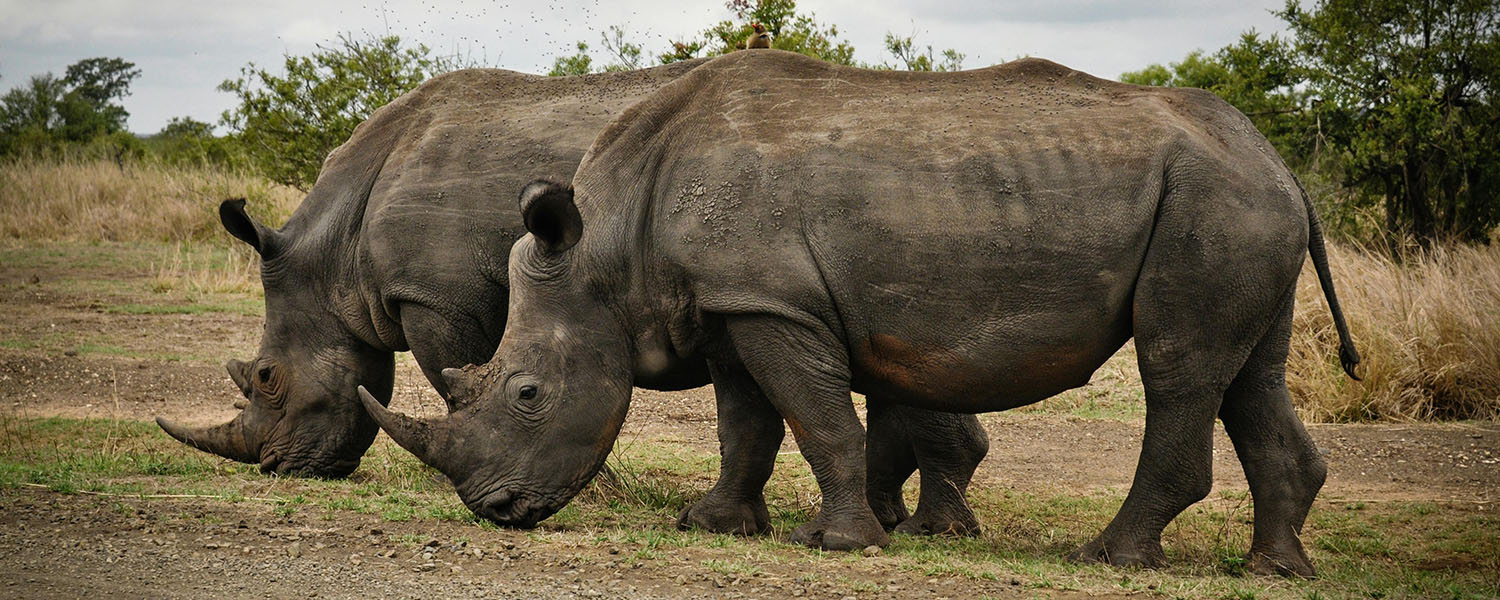
Kruger National Park
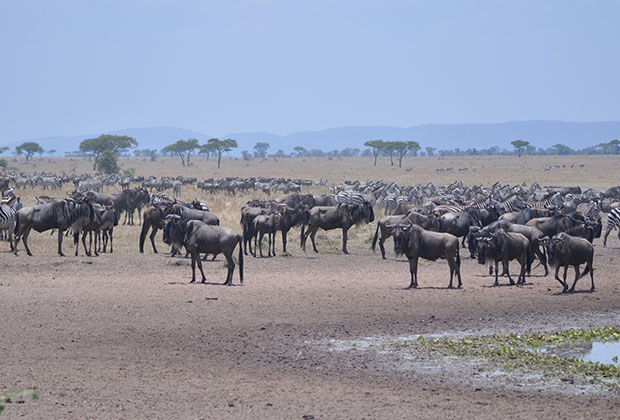
Kruger National Park, established in 1926, is a monumental wildlife sanctuary in northeastern South Africa. As one of Africa’s largest and oldest national parks, its immense scale is a defining feature, covering approximately 19,485 square kilometers—an area comparable in size to Wales. The park stretches about 350 kilometers from the Limpopo River in the north to the Crocodile River in the south, a journey that can take nearly a full day to drive. This vast protected area allows entire ecosystems to thrive, providing ample space for large herds to roam and predators to hunt.
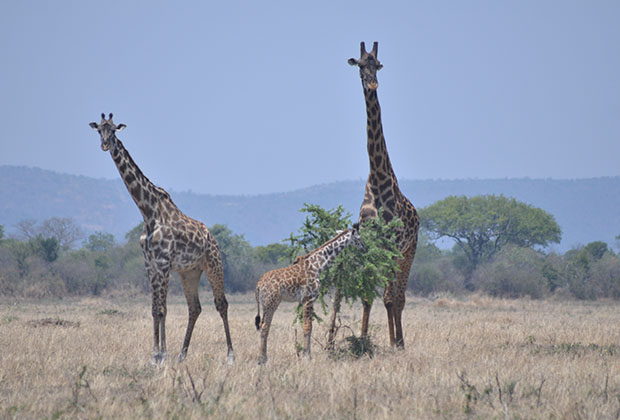
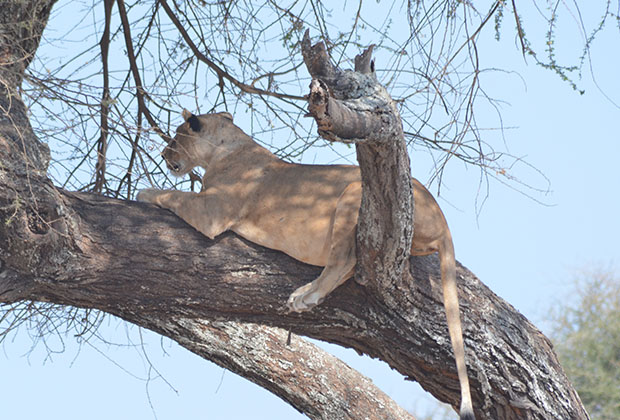
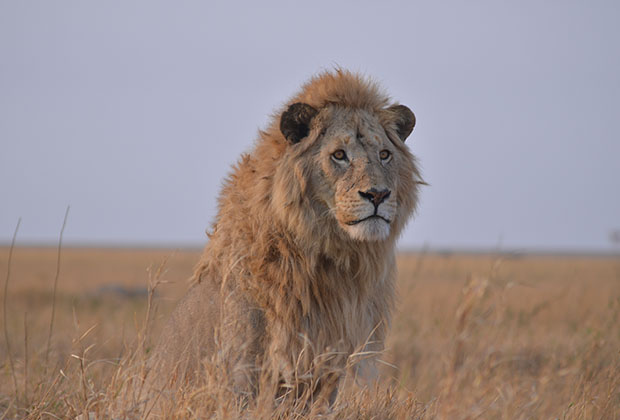
The park is a world-renowned conservation success story, famous for its exceptional biodiversity. It is home to the iconic “Big Five”—lion, leopard, rhino, elephant, and buffalo—with populations numbering in the thousands, such as its estimated 1,600 lions. This wildlife richness extends far beyond mammals; the park harbors over 500 bird species, more than 100 reptiles, and a vast array of plant life, all sustained within diverse habitats ranging from arid mopane scrublands in the north to lush, riverine forests in the south. The park’s conservation model expertly balances responsible tourism with rigorous ecosystem management, channeling visitor revenue back into habitat protection and species preservation.
For visitors, a safari in Kruger National Park offers a quintessential African wildlife experience accessible in various ways. Travelers can explore independently along the park’s 3,000 kilometers of roads or join guided tours led by knowledgeable rangers. The southern regions of the park are often recommended for first-time visitors due to their higher densities of wildlife and excellent infrastructure, including major rest camps like Skukuza. The park’s subtropical climate brings a distinct dry season from May to September, which is considered the best time for game viewing as animals congregate around scarce water sources and the thinner vegetation improves visibility.
The legacy of Kruger National Park extends beyond its boundaries as a cornerstone of regional conservation. It forms the South African core of the Great Limpopo Transfrontier Park, a peace park that links protected areas in Mozambique and Zimbabwe. Furthermore, by dropping fences with adjacent private reserves, it has become part of the expansive “Greater Kruger” conservation area, allowing wildlife to roam more freely across millions of hectares. Through its careful blend of preservation, education, and sustainable tourism, Kruger not only safeguards a priceless natural heritage but also serves as a global model for how humanity can successfully coexist with the wild.
Recommended