Akagera National Park
Akagera National Park is a remarkable conservation success story in eastern Rwanda. Established in 1934, the park protects 1,122 square kilometers of diverse landscapes, including rolling savannah plains, woodlands, and a complex system of lakes and papyrus swamps. This makes it the largest protected wetland in Central Africa. However, the park faced near devastation in the aftermath of the Rwandan civil war and genocide in the 1990s, as returning refugees settled within its boundaries, leading to significant habitat loss and rampant poaching that wiped out key species like lions and rhinoceros.
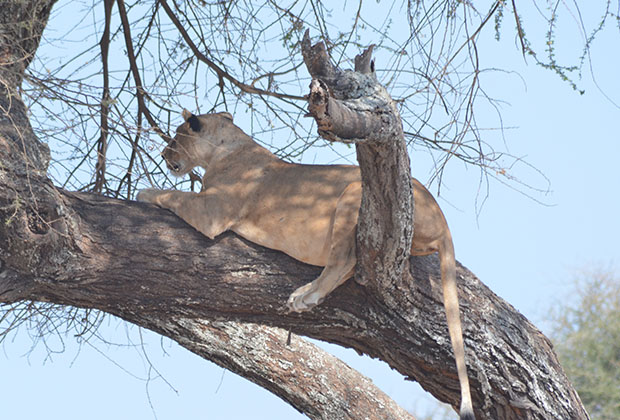
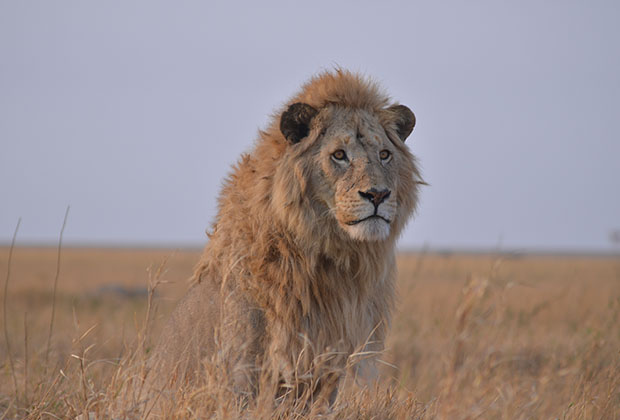
The park’s fate transformed in 2010 with a landmark partnership between the Rwanda Development Board and the conservation non-profit African Parks. This management agreement launched one of Africa’s most successful wildlife restoration projects. Through intensive anti-poaching efforts and strategic reintroductions, animals that had been locally extinct for a decade or more have been brought back. Lions were reintroduced in 2015, the critically endangered eastern black rhino in 2017, and a significant population of southern white rhino was translocated in 2021. Thanks to these efforts, Akagera is now a premier Big Five destination, home to thriving populations of elephant, buffalo, leopard, lion, and both species of rhino.
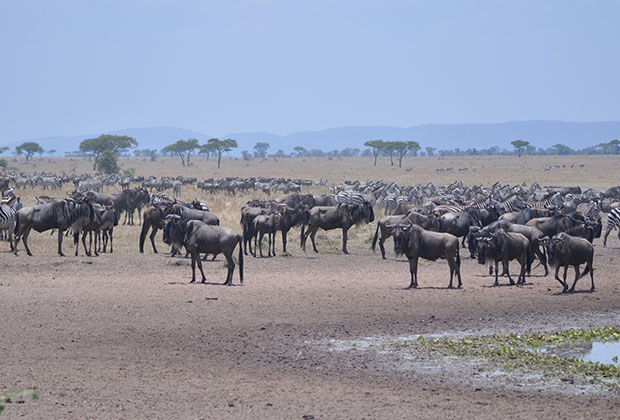
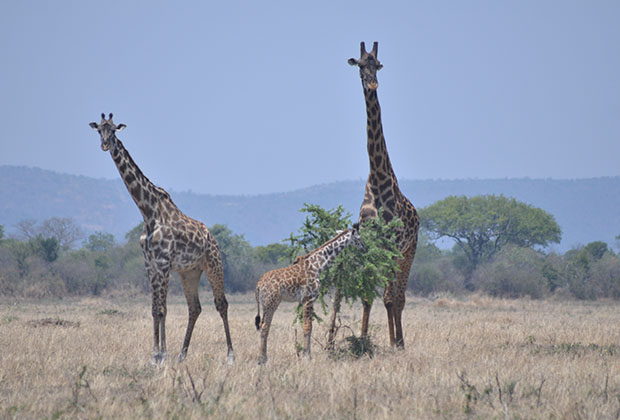
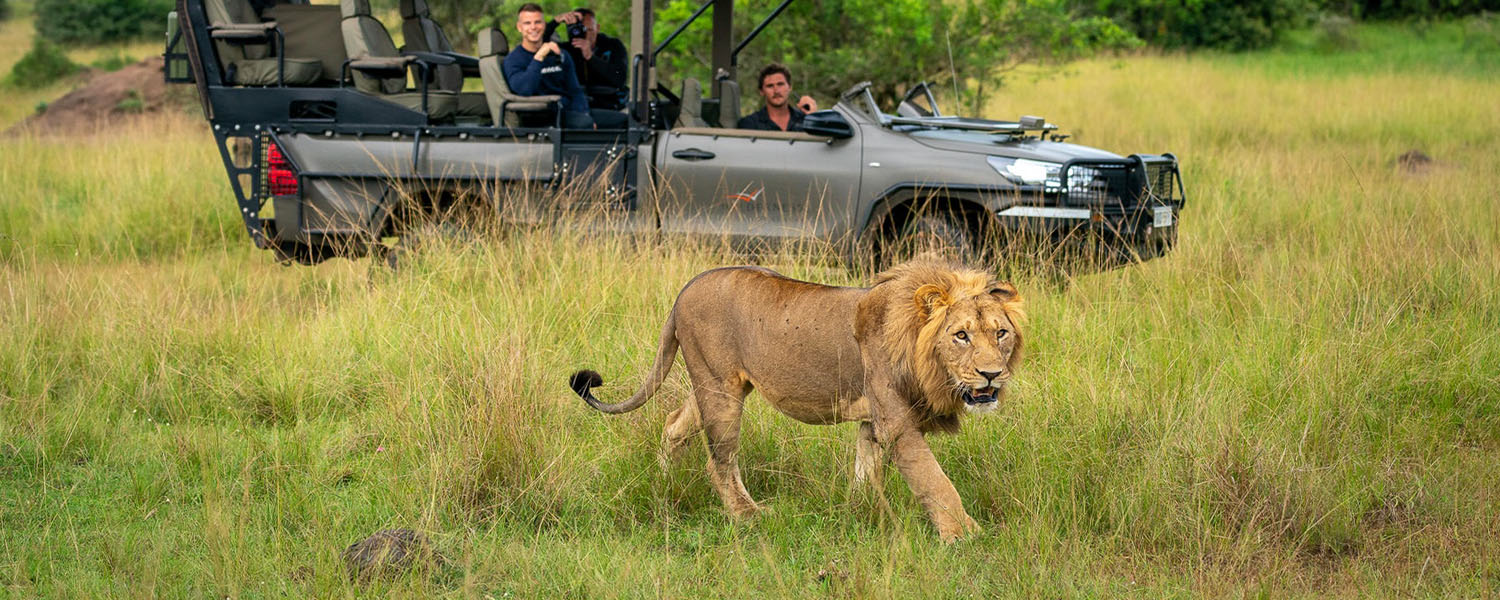
For visitors, Akagera offers an authentic and uncrowded safari experience. Classic game drives across its acacia-dotted plains provide opportunities to see the Big Five alongside giraffe, zebra, and various antelope. A major highlight is a boat safari on Lake Ihema, where large pods of hippos, Nile crocodiles, and over 490 species of birds can be observed, including the rare shoebill stork. Unique activities also include guided walking safaris, night drives to spot nocturnal predators, and hot air balloon rides offering breathtaking aerial views. The park is accessible, located about a 2.5 to 3-hour drive from the capital, Kigali.
Beyond wildlife, Akagera’s revival is deeply intertwined with community development. The park is over 90% self-sufficient, with tourism generating 97% of its annual revenue. A portion of this income directly supports surrounding communities through a revenue-sharing scheme, funding schools, healthcare, and local projects. Furthermore, thousands of students and community members participate in environmental education programs each year. This model demonstrates how conservation can drive economic growth, allowing both the ecosystem and the people who live alongside it to thrive together.
Recommended