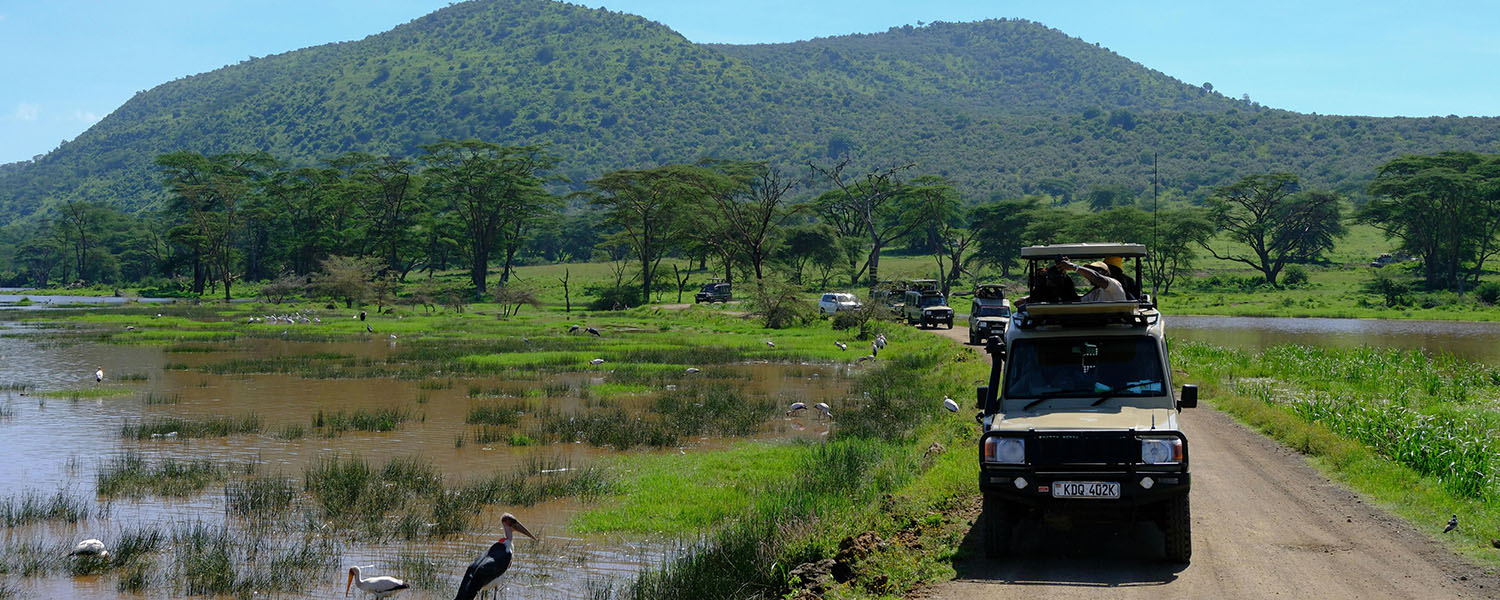
Lake Nakuru
Lake Nakuru, nestled in Kenya’s Great Rift Valley, is an iconic soda lake renowned for its breathtaking ecological spectacle of vast pink flamingo flocks, alongside a crucial sanctuary for endangered wildlife. Its remarkable beauty and biodiversity are part of a UNESCO World Heritage Site and are protected within a dedicated national park.
The lake’s defining natural phenomenon is its immense population of lesser and greater flamingos, which can number in the millions. These birds are drawn to the shallow, alkaline waters of the lake to feed on the abundant blue-green algae, which thrives in this unique environment. When gathered along the shores, they create a stunning, shifting sea of pink that has earned the area the title “the greatest bird spectacle on Earth”. Flamingo populations fluctuate, often moving to other lakes like Bogoria and Elementaita—with which Nakuru forms the UNESCO-inscribed Kenya Lake System—in search of optimal feeding conditions.
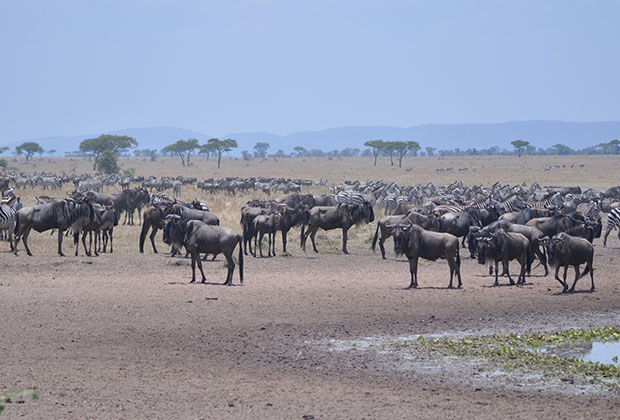
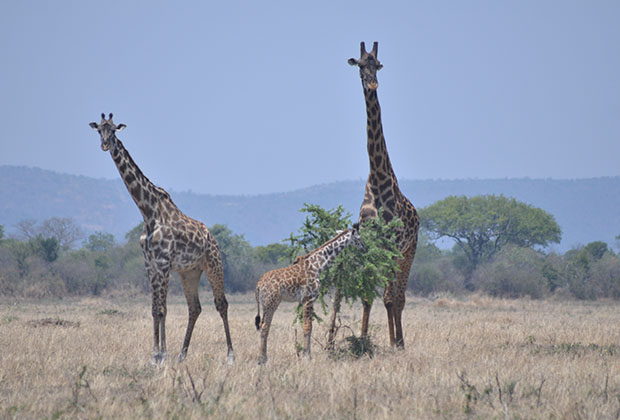
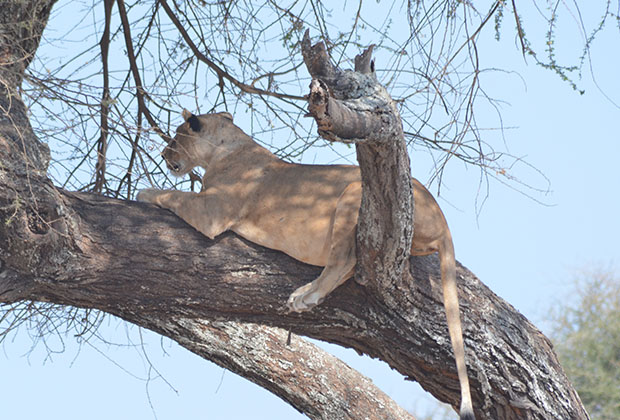
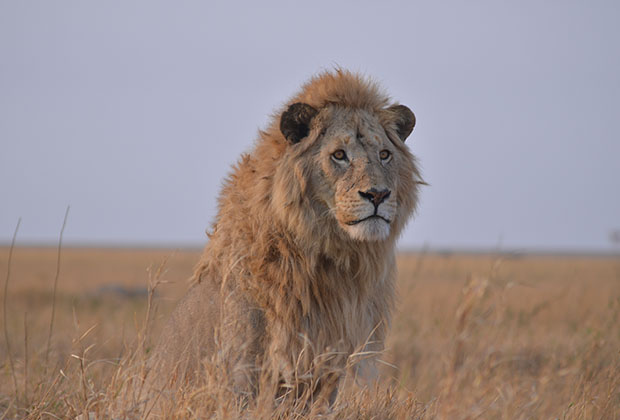
Beyond the flamingos, Lake Nakuru National Park provides critical protection for endangered species, most notably the black and white rhinoceros. Established as Kenya’s first rhino sanctuary, the park is home to one of the country’s largest concentrations of these animals, protected within a fenced area designed to deter poachers. The park also serves as a sanctuary for the rare Rothschild’s giraffe and hosts a wide variety of other mammals, including lions, leopards, buffaloes, hippos, and zebras. Notably, elephants are absent due to the park’s fencing.
However, this delicate ecosystem faces significant environmental challenges. The lake’s water levels have historically varied, but in recent years, rising levels have caused considerable disruption. Since 2010, the surface area of the lake has expanded significantly, flooding park infrastructure, local homes, and parts of Nakuru town. This inundation dilutes the lake’s alkalinity, reducing the algae that flamingos depend on and contributing to their migration away from the lake. These changes are believed to be driven by climate change and human activities, including land conversion and urbanization in the surrounding catchment area.
For visitors, Lake Nakuru offers a rewarding safari destination. Key activities include game drives to see rhinos and other wildlife, birdwatching—with over 400 species recorded—and enjoying panoramic views from lookout points like Baboon Cliff. The park is easily accessible from Nairobi and can be visited year-round, though wildlife viewing is often best during the dry season from June to February.
Recommended