
Masai National Reserve
The Masai Mara National Reserve is a vast wildlife sanctuary in southwestern Kenya, forming the northern part of the expansive Mara-Serengeti ecosystem shared with Tanzania. Its name honors the ancestral Maasai people, with “Mara” meaning “spotted” in their language—a description of the flat-topped acacia trees and shrubs dotting the open savannah plains. The reserve encompasses approximately 1,510 square kilometers of rolling grasslands, riverine forests, and seasonal riverlets, set at altitudes ranging from 1,480 to 2,280 meters.
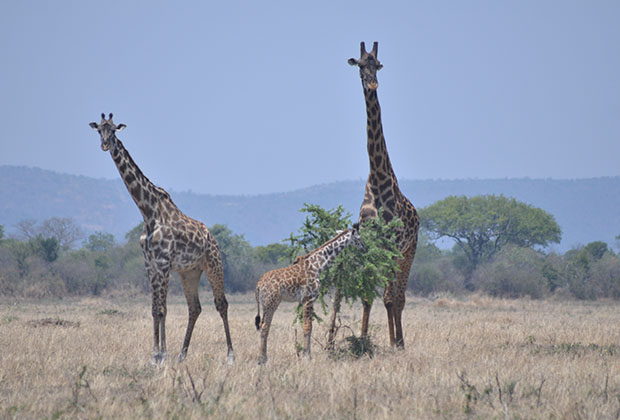
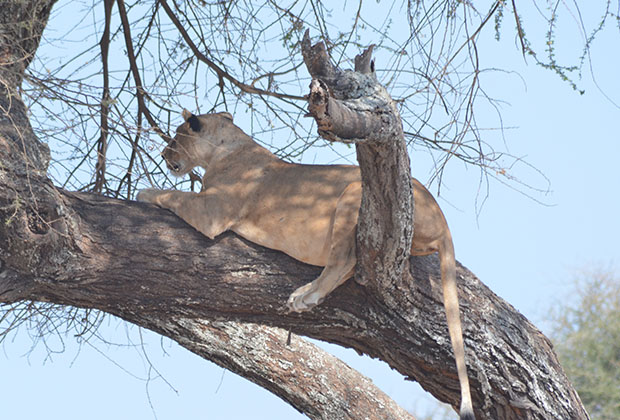
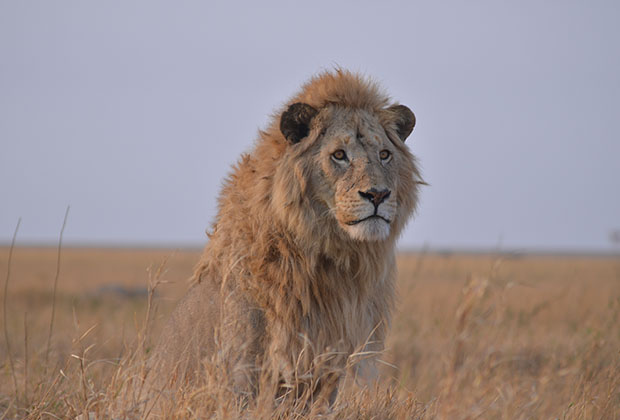
The Mara is globally renowned as one of the finest wildlife destinations, famous for its exceptional density and diversity of animals. It is one of Africa’s few places where visitors can see all members of the famed “Big Five”—lion, leopard, elephant, black rhino, and buffalo—as well as an extended “Big Nine,” which includes cheetahs, giraffes, zebras, and hippos. The reserve supports nearly 90 species of mammals and over 500 species of birds, with large populations of predators like lions and spotted hyenas.
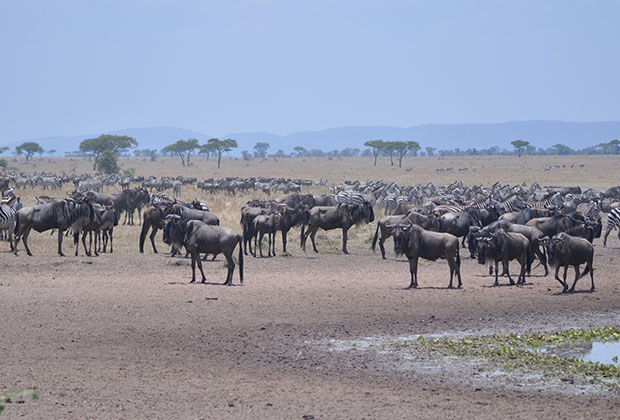
The region’s most spectacular natural event is the Great Migration, considered one of the “Seven Wonders of the World”. Each year, typically between July and October, over 1.5 million wildebeest, along with hundreds of thousands of zebras and gazelles, migrate from Tanzania’s Serengeti into the Masai Mara in search of fresh pasture. The dramatic crossings of the crocodile-infested Mara River, where animals brave strong currents and predators, are a dramatic highlight of this continuous cycle.
Beyond wildlife drives, the reserve offers unique cultural and adventure activities. Visitors can gain insight into local traditions by visiting a traditional Maasai village. For a different perspective, hot air balloon safaris at dawn provide a breathtaking aerial view of the plains and wildlife, often concluding with a champagne breakfast in the bush. The landscape itself, part of the Great Rift Valley, features ancient geology, with the Oloololo Escarpment forming its western boundary and the perennial Mara River sustaining the ecosystem.
The Masai Mara’s administration involves a partnership aimed at conservation and community benefit. The reserve is managed by the Narok County Government and the Mara Conservancy. Significantly, the Greater Mara ecosystem includes surrounding conservancies—lands leased from Maasai families by safari operators. This model provides income for local communities, funds education and development, and helps rewild overgrazed land, creating a sustainable future for both wildlife and the Maasai people.
Recommended