Lake Manyara National Park
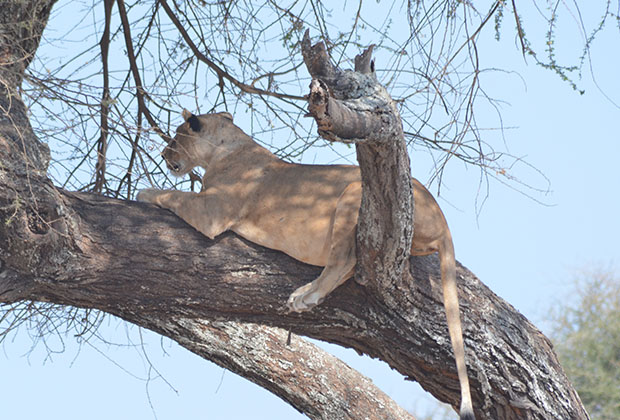
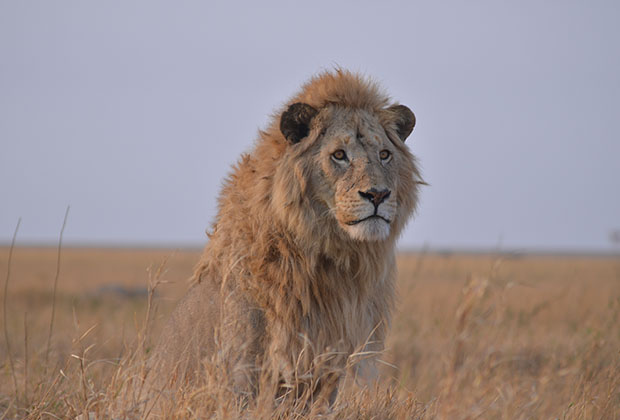
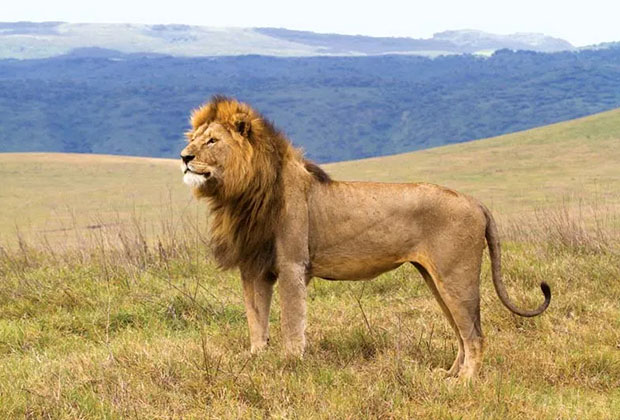
Lake Manyara National Park is a compact but ecologically diverse wildlife sanctuary in northern Tanzania, nestled at the base of the Great Rift Valley’s dramatic western escarpment. Covering an area of about 329 square kilometers, a significant portion of the park is occupied by its namesake shallow, alkaline lake. Established in 1960 to protect the area’s elephant populations, the park is renowned for its unique tree-climbing lions, a behavior rarely seen in other lion populations and a major draw for visitors.
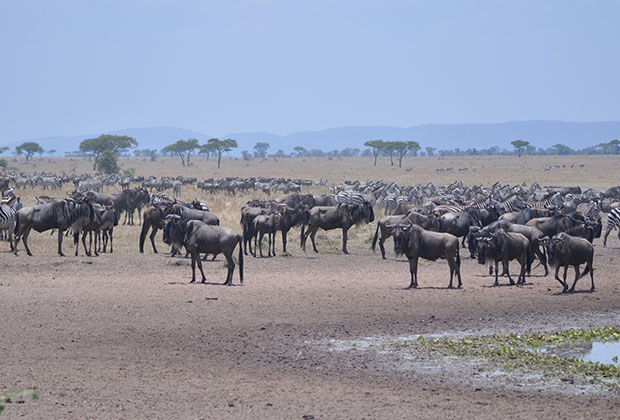
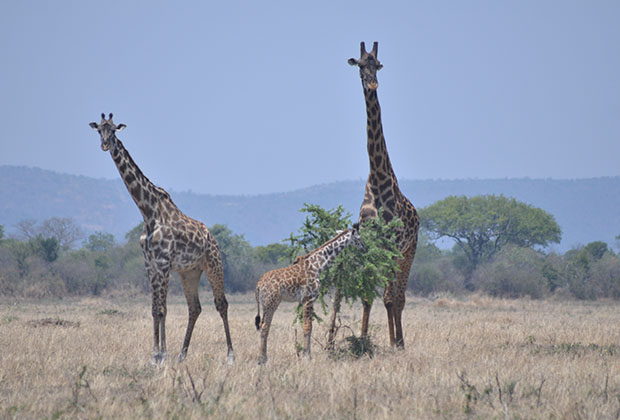
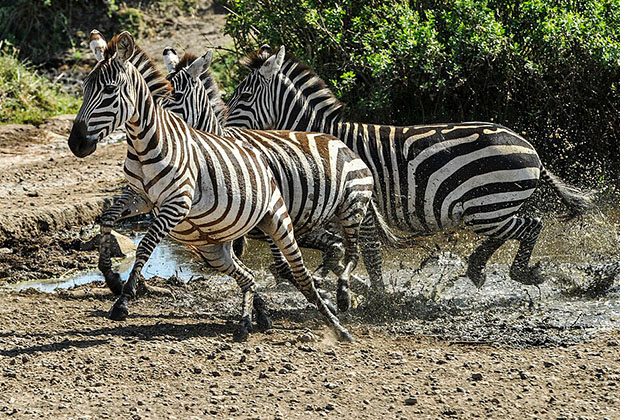
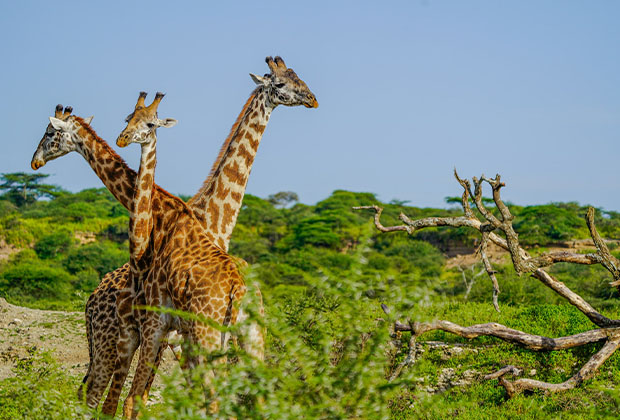
The park’s relatively small size belies a remarkable concentration of varied habitats, all packed between the lake and the steep rift valley wall. This includes a lush groundwater forest sustained by springs, expansive marshes, grassy floodplains, and acacia woodlands. These ecosystems support a wide array of wildlife beyond its famous lions. The park is home to substantial elephant herds, large troops of olive baboons (one of the world’s largest concentrations), buffalo, giraffes, wildebeest, zebra, and numerous antelope species. The lake itself is a haven for hippos and a birdwatcher’s paradise, historically hosting spectacular flocks of hundreds of thousands of pink flamingos, though their numbers have fluctuated in recent years due to environmental changes.
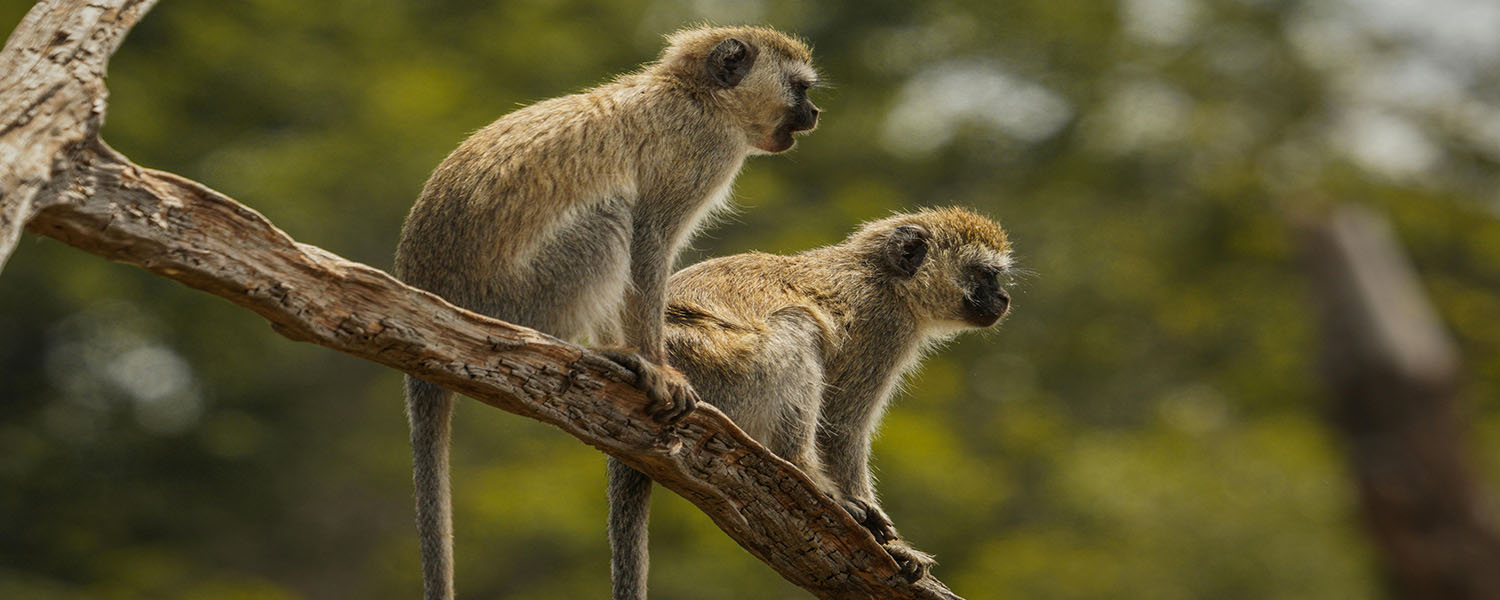
Beyond traditional game drives, Lake Manyara offers unique visitor experiences that take advantage of its specific landscapes. A notable attraction is the treetop walkway, a series of suspension bridges through the canopy of the groundwater forest, providing a bird’s-eye view and excellent opportunities to spot forest birds and primates. Other activities include guided nature walks through the woodlands and, when water levels permit, canoe safaris on the lake for a different perspective of the escarpment and waterbirds. The park also features the Maji Moto hot springs, where water bubbles from the ground at over 60°C (140°F).
The best time to visit Lake Manyara depends on a visitor’s priorities. The dry season (June to October) is generally considered ideal for wildlife viewing, as animals congregate around predictable water sources and the thinner vegetation makes them easier to spot. The wet season (November to May) transforms the park into a lush, green landscape with flowing waterfalls on the escarpment. This period is best for birdwatching, scenic beauty, and photography, though heavy rains, particularly from March to May, can sometimes limit access. The park is conveniently located about a two-hour drive southwest of Arusha, making it a popular first stop on Tanzania’s northern safari circuit.
Recommended Safaris